I’ve spent the last 12 years living out of a suitcase, navigating everything from the orderly efficiency of a lounge in Singapore to the absolute chaos of a delayed connection in mid-winter Heathrow. If you’re a frequent flyer, you’ve likely seen the trend: everyone is obsessed with optimizing their vitals. But there is a massive difference between "tracking your sleep because it's a trend" and "using health data to ensure you don’t collapse three days into a business trip."
Let’s cut through the marketing fluff. As someone who balances the reality of NHS care with the necessity of private, fast-track health solutions, I don’t care about "wellness" buzzwords. I care about friction points: appointment delays, pharmacy cut-offs, and the sheer terror of realizing you’re down to your last three days of medication while stuck in a different time zone. Does a wearable health tracker actually solve these problems? Let’s look at the logistics.
The Pre-Flight Reality: Why Tracking Matters Before You Leave
My pre-flight checklist isn't just about packing cubes and power adapters. It sits in a pinned note on my phone, and at the top of that list is my baseline data. If you’re using a wearable to monitor your health, you shouldn't be looking at it for the first time while you’re in the air. You need a data set.
Wearable health tracking is only effective if you understand your body’s "home" baseline. If I see my heart rate variability (HRV) plummeting and my resting heart rate spiking 48 hours before a trip, I know I’m already on the verge of a crash. That is a friction point I can manage. I can adjust my schedule, hydrate, or—most importantly—ensure my healthcare access is sorted before I hit the tarmac. Using your device to monitor travel wellness data allows you to be proactive rather than reactive.
Prescription Continuity: Beyond the Paper Form
The biggest failure point in frequent travel is prescription continuity. You’re in a foreign city, your GP is back in the UK, and the local pharmacist doesn't recognize your prescription. This is where the gap between public and private healthcare becomes a chasm.
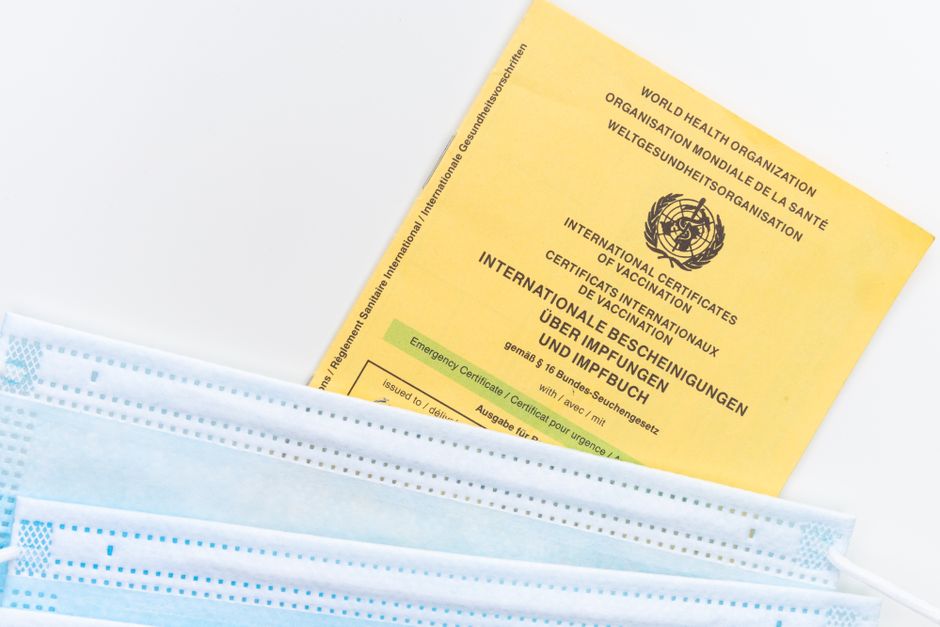
I rely heavily on online prescription management systems to bridge this gap. If you’re using a wearable to track your sleep or stress levels, you’re likely already aware of how travel disrupts your baseline. But knowing you’re stressed won’t fix a missing prescription. You need access to regulated, CQC-registered providers. Using platforms like Releaf for specialized medical care or managing repeat prescriptions through a reliable digital portal isn't an "extra"—it’s a prerequisite for anyone who travels for work.
Don't be the person who tries to find a pharmacy at 11 PM on a Sunday in a foreign country. By the time you’re standing at the counter, it’s too late. The friction is already built-in. Use your digital tools to ensure your medications are cleared for your destination long before you leave home.
Telehealth: The Modern Travel "Safety Net"
I often hear people suggest, "just relax and go to the local clinic if you feel off." That is dangerous, unhelpful advice. If you’re dealing with a legitimate health issue, you need a physician who understands your medical history. This is where telehealth consultations become indispensable.
In the UK, we are used to the NHS waiting times, which aren't exactly "travel-friendly." When I’m traveling, I bypass that. I use CQC-regulated telehealth platforms to speak to clinicians who can access my records and provide guidance without me having to navigate a foreign medical system. Your wearable tracker can show you *that* something is wrong—it might detect a fever or erratic sleep patterns—but a telehealth traveltweaks consultation tells you *what* to do about it. Data without medical context is just noise.
Comparison Table: Managing Travel Health
Feature Traditional Travel Method Digital/Proactive Method Prescriptions Paper copy from GP Online prescription management systems Specialist Care Find a local clinic abroad CQC-regulated telehealth consultations Baseline Health "I feel okay" Wearable health tracking data Planning Last-minute panic Pre-flight checklists (via Traveltweaks)Addressing the "Just Relax" Myth
There is nothing more annoying than being told to "just relax" when you have high-stakes travel anxiety. Travel is, by definition, an exercise in disruption. Your sleep tracker travel data will confirm this: your sleep quality *will* take a hit. Your recovery metrics *will* drop.
Instead of trying to "relax" it away, manage the environment. If my sleep tracker shows my deep sleep is non-existent because of time zone changes, I don't try to force it. I adjust my meetings, I leverage my telehealth access if I need a fatigue management plan, and I ensure my travel documentation is synced via tools like Traveltweaks. You don't need to "relax"; you need to be prepared.
Why Wearables are Only Part of the Puzzle
Let's be clear: a wearable device cannot save you from poor planning. If you ignore the friction points of modern healthcare—prescription timing, the need for CQC-vetted advice, and the logistics of international care—no amount of heart-rate data will stop your trip from falling apart.
Here is my non-negotiable approach to staying healthy on the road:
Check your prescriptions three weeks out. Use your online management system to ensure you have enough supply. If you need a refill, handle the CQC-approved consultation before you board. Use your travel wellness data to set boundaries. If your wearable says you are physically tapped out, stop booking back-to-back client dinners. The watch isn't a coach; it’s a warning light. Use it. Vet your telehealth providers. Ensure any service you use is CQC registered. Don't trust random apps you find on the App Store that make vague health claims. Keep the logistics in one place. I use tools like Traveltweaks to keep my travel plans and health data requirements aligned. If the tech doesn't talk to each other, you’re just adding to your workload.Final Thoughts: The Future of Frequent Travel
Wearable health tracking is a tool, not a cure-all. When you’re 3,000 miles from home, you don't need a gadget to tell you that you're tired; you need a system that ensures you can get a prescription filled, speak to a doctor who understands UK regulations, and get back to work.

The modern traveler doesn't rely on luck. We rely on data, CQC-vetted platforms, and a healthy dose of skepticism regarding "wellness" advice. By integrating digital healthcare management into your pre-flight routine, you stop chasing fires and start managing your travel health like the professional you are. Leave the "just relax" advice to the tourists; the rest of us have planes to catch.