If you're like me, a DIY mom who's struggled with a broken whole-house AC and an unreliable portable unit, you're constantly chasing efficiency without breaking the bank. Recently, the Zone Air 12K BTU single zone (230V) mini split caught my eye, especially boasting a whopping 24 SEER2 rating. But what does that mean for your electricity savings, your wallet, and—let's be honest—your sanity? Let's unravel the real value behind this promising number and figure out if Zone Air’s mini split is worth the $2,049.99 price tag you see at Home Depot.
What Is SEER2 and Why Should You Care?
First, a quick word on efficiency ratings. The SEER2 (Seasonal Energy Efficiency Ratio) and HSPF2 (Heating Seasonal Performance Factor) are updated metrics for evaluating mini splits' performance across cooling and heating seasons. Unlike the older SEER and HSPF, these new “2” versions provide more realistic, updated calculations accounting for real-world conditions including variable climates and equipment cycling.
Why does that matter? Because efficiency ratings give you a snapshot of potential electricity savings. Simply put:
- Higher SEER2 means better cooling efficiency, which can translate into lower cooling bills. Higher HSPF2 means better heating efficiency, especially crucial if you live in colder climates.
Zone Air’s mini split hitting 24 SEER2 means it's among the highest efficiency units I've seen at this price point. For context, https://smoothdecorator.com/can-you-mix-zone-air-wall-mount-and-concealed-duct-heads-on-one-condenser/ most standard mini splits hover around 18-20 SEER2, so 24 is a big leap forward.
But What’s The Real Savings Potential?
Manufacturers and retailers like Home Depot often throw around numbers suggesting up to 40-60% electricity savings compared to older HVAC systems or base-model mini splits. This is plausible if you’re replacing an old, inefficient unit or configuring a system with a solid heat pump efficiency. However, take those seals and claims with a grain of salt, especially when they don't mention test standards, or product SEER2 and HSPF2 ratings explicitly.
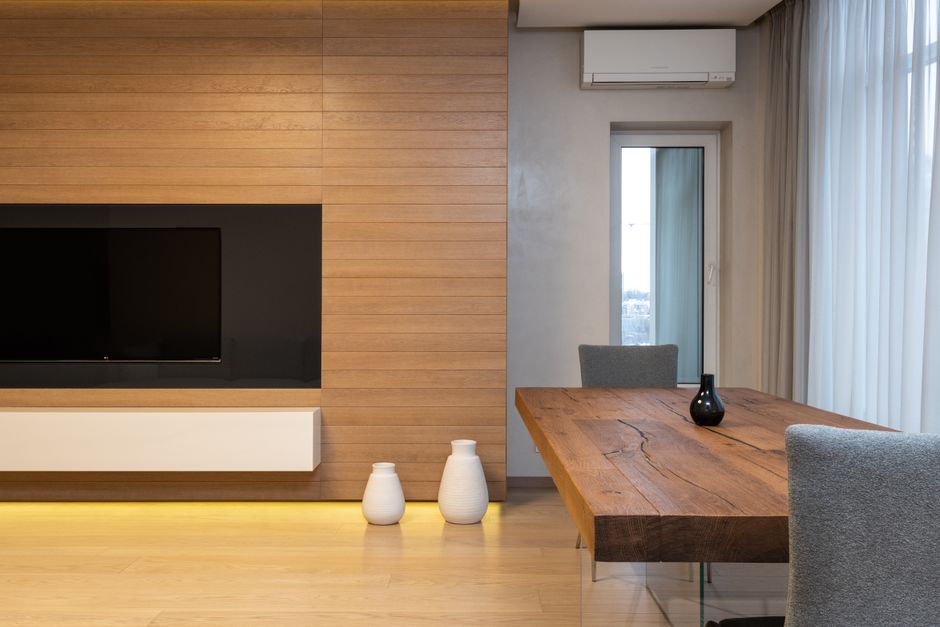

Zone Air 12K Mini Split: The Straight Talk on Price and Value
Item Voltage Capacity Price Zone Air 12K BTU Single Zone 230V 12,000 BTU $2,049.99Now, let me be honest—the price of $2,049.99 is not exactly “budget-friendly,” but for a 24 SEER2 mini split from a direct-to-consumer brand like Zone Air, that's competitive compared to dealer networks where retail markups and installation can push the cost north of $3,000 easily.
From my research, many DIY enthusiasts, like myself, appreciate the value of Zone Air because:
- Pre-charged line sets: These come ready to go with refrigerant, eliminating the need for vacuum pumps or refrigerant charging, which are big hurdles for DIYers. Quick connect fittings: Goodbye fiddly copper bending and extra coiled refrigerant line! These fittings simplify connection and reduce installation headaches. I hate seeing coiled extra copper behind a condenser; it looks messy and can compromise efficiency. Direct-to-consumer sales model: This keeps prices transparent and competitive, bypassing the opaque dealer networks. I always emphasize what I’d do in a real house—sticking to what’s easy if you’re not a pro: quick connects and pre-charges are a godsend.
Direct-to-Consumer vs Dealer Network: What Should DIYers Know?
There’s a clear tradeoff between cost savings and ease of support when buying directly from companies like Zone Air or MRCOOL versus shopping through traditional dealers. Here’s the lowdown:
Price Transparency: Direct-to-consumer brands usually have clear pricing structures, no hidden fees, and often offer better deals on the upfront cost of equipment. Installation Support: Dealer networks can provide professional installation with warranties and service plans. Direct purchase models usually place the burden of installation on you, the homeowner. Parts and Support: Brands like MRCOOL and Zone Air supply parts directly, but you may spend time troubleshooting without a local technician. Electrical Work: Please, don’t get fooled by ‘easy electrical hook-up’ claims if you aren’t comfortable. Always consult a licensed electrician unless you have proper experience.If you consider yourself handy and up for learning, Zone Air’s system paired with quick connect fittings and pre-charged line sets is a smart way to save money. But don’t underestimate the complexity—this isn't just a plug-and-play window AC.
Cold Climate Heating: Zone Air Can Heat Down to -13°F
One feature I get excited about is the cold climate capability. Both Zone Air and MRCOOL advertise heating down to -13°F, meaning their heat pumps can handle really cold winters without relying heavily on supplemental electric resistance heating (which kills efficiency).
This is a game-changer if you live where winters get brutal. A heat pump that maintains efficiency in the cold means:
- Lower heating bills even on freezing days Reduced reliance on expensive fossil fuels Consistent, comfortable indoor temperatures
But remember, the quality of installation affects cold-weather performance dramatically—air leaks, poor placement, and improper refrigerant charge (more on that in a second) can tank efficiency.
A Quick Note on How Efficiency Ratings Translate to Power Bills
In theory, a 24 SEER2 unit uses about 40-60% less electricity for cooling compared to a 14-16 SEER central AC system, depending on your local climate and home insulation. For heating, a high HSPF2 rating on a heat pump means you get more heat per watt consumed versus base electric resistance Hop over to this website heaters or older heat pumps.
But efficiency is a system-level story—your electricity savings depend heavily on:
- Proper sizing (don’t oversize—that wastes energy) Correct installation charges (here’s where pre-charged line sets shine) Good insulation and tight building envelope Thermostat settings and usage habits
A unit hitting 24 SEER2 is a fantastic starting point, but real-world savings only come when these factors align.
Why I Recommend If You’re DIYing a Mini Split
After dealing with my own HVAC nightmares, here’s what I’ve learned and would actually do in a real home:
Pick a system with pre-charged line sets: Avoid DIY refrigerant handling unless you’re certified. Use quick connect fittings: They minimize errors, reduce refrigerant leak risks, and save time. Verify efficiency ratings with SEER2/HSPF2: Ask suppliers or check product spec sheets from reputable sites—for the sake of tracking real power savings and value. Hire a pro for electrical work or get qualified: Don’t risk your home or safety if you aren’t confident with 230V wiring. Consider cold climate specs if relevant: A mini split that can heat down to -13°F is a worthwhile investment in a cold region, even if it costs more upfront. Shop around: Compare direct brands like Zone Air and MRCOOL with dealer offerings to find your best value.Wrapping It Up: Does Zone Air 12K at 24 SEER2 Lower Your Power Bill?
In short: yes, probably, but only if installed correctly and paired with good home efficiency practices. The 24 SEER2 rating is an impressive engineering feat and indicates solid electricity savings potential, especially with heating down to -13°F. At $2,049.99 direct from Home Depot, Zone Air presents a transparent and competitive value proposition for DIYers willing to tackle the installation challenges.
That said, don't underestimate the complexity behind “easy” claims, and never skimp on professional help for electrical work if you’re uncomfortable. The combination of quick connect fittings and pre-charged line sets definitely lowers the skill bar and installation time—making it one of the more accessible DIY mini split options out there.
For anyone like me, juggling kids, budgets, and broken AC units, investing in a 24 SEER2 mini split from Zone Air is a promising way to get real cooling and heating efficiency without dealer markup headaches—provided you're prepared to DIY responsibly and smartly.
Further Reading & Tools
- Home Depot Mini Split Selection MRCOOL DIY Mini Split Systems Zone Air Direct-to-Consumer Deals Understanding SEER2 & HSPF2 Ratings – ENERGY STAR