When managing commercial roof projects, one of the most frustrating situations is chasing down the root cause of a leak. Is it a failure of the materials used, or is it down to workmanship during installation? Getting this right is crucial because the answer affects warranty claims, repair responsibilities, and ultimately, your building’s long-term protection.
With over 15 years in the UK roofing scene, I’ve sat through countless roof leak investigation meetings on warehouses and small industrial estates. I’ve worked alongside manufacturers like IKO Group, referred to certification bodies like the British Board of Agrément (BBA), and collaborated with approved contractors following Single Ply Roofing Association (SPRA) guidance. Here’s a plain-English explainer on how to distinguish workmanship vs material failure, plus practical insight into design, maintenance, and realistic roof lifespans.
Understanding Guarantee vs Service Life
First, let’s clear the confusion around guarantees and service life. A pvc membrane service life guarantee is a contractual promise—often 10 or 20 years—from the manufacturer or installer covering specific defects or faults. In contrast, the roof’s service life is how long the roof is expected to perform under normal conditions, often 25 to 35 years for well-installed single ply membranes.
What really grinds my gears is seeing guarantees treated like lifespans. Guarantees DO NOT define how long the roof will last. They define a period during which you can seek repair or replacement if certain failures arise from materials or workmanship.
What would stop the roof reaching year 35? Always ask this first before jumping into blame. Causes can be:
- Poor design or selection of components Installation shortcuts or errors Lack of preventative maintenance Environmental factors exceeding design limits
Common Single Ply Membrane Lifespans
Single ply membranes are popular for flat roofs on warehouses and commercial properties. There are three main types:
Membrane Type Typical Service Life Key Characteristics TPO (Thermoplastic Polyolefin) 20-30 years UV resistant, heat-welded seams, moderate environmental resilience PVC (Polyvinyl Chloride) 25-35 years Flexible, chemical resistant, heat-welded seams, established track record EPDM (Ethylene Propylene Diene Monomer) 30-40 years Durable, mechanically sealed or fully adhered, excellent ozone and weather resistanceRemember, these are typical ranges assuming proper design, installation, and maintenance. Premature failures often flag issues in one of those areas rather than inherent material flaws.
How Design and Component Selection Impact Leak Risk
In my experience, one of the biggest contributors to early roof leaks isn’t the membrane itself, but the design and component selection. A roof system is a collection of different components working together. Ignoring the design checklist is a recipe for disaster:
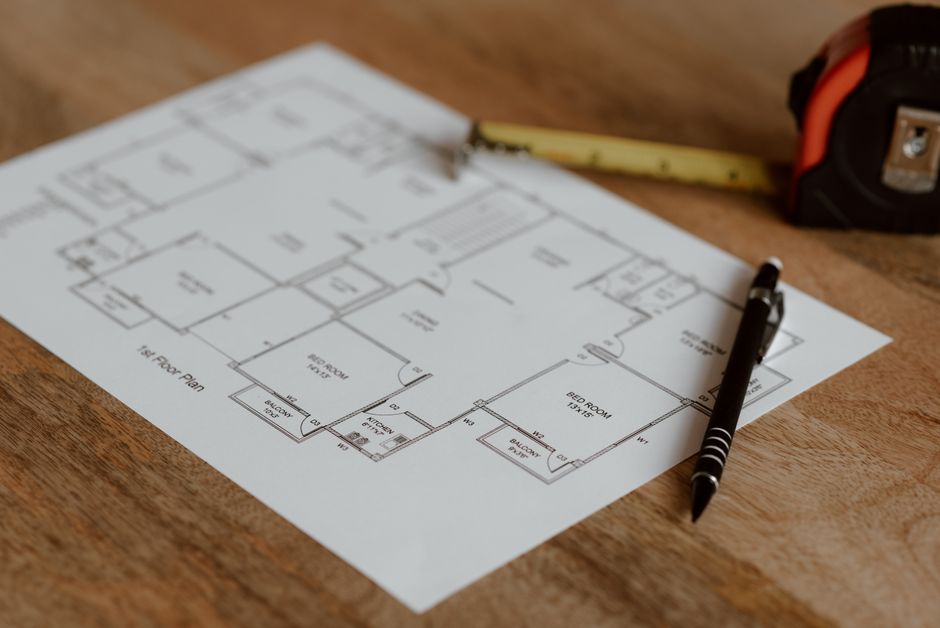
- Drainage: Poorly designed falls or blocked outlets cause ponding water, which stresses membranes beyond their limits. Details: Flashings around roof lights, upstands, and penetrations are common leak points if not detailed properly with compatible materials. Seams: Inefficient seam welding or bonding can break down quicker under wind/thermal movement. Wind uplift resistance: Check wind load calculations to ensure membranes and fixings meet local conditions.
Manufacturers like the IKO Group and associations such as SPRA provide technical guides and templates to help specifiers, contractors, and building owners select the right components and verify installation methods. This reduces guesswork and cuts down on complaints later.
Wind Uplift and Deck Surveys
Wind uplift—the force of wind pulling the membrane off the deck—is a major concern, especially for large warehouse roofs. A proper wind uplift calculation accounts for regional wind speeds, building geometry, height, and the type of deck.
Part of any thorough investigation involves a deck survey by the manufacturer or approved contractor team to confirm the structural integrity and compatibility with the roofing system. Deck surveys reveal if there are defects or deteriorations in the substrate that could undermine membrane adhesion or attachment.
Spotting Workmanship vs Material Failure in Leak Investigations
When the roof leaks, the natural question is: “Was this poor product or poor installation?” Here are my methods for differentiating between workmanship vs material failure during a roof leak investigation:
Review the guarantee and technical documents Confirm what the guarantee covers and does not cover, and compare it to the expected service life of the membrane installed. Visual inspection of the roof Look closely at seams, flashing, penetration details, and areas with foot traffic or heavy equipment. Early seam splits, poorly bonded edges, or incorrect welding often point to workmanship faults. Examine the pattern and timing of leaks Workmanship faults tend to show patchy leaks that appear soon after installation. Material failures more often have widespread ageing signs and typically occur after prolonged UV exposure or chemical contact. Check product certification and installation records 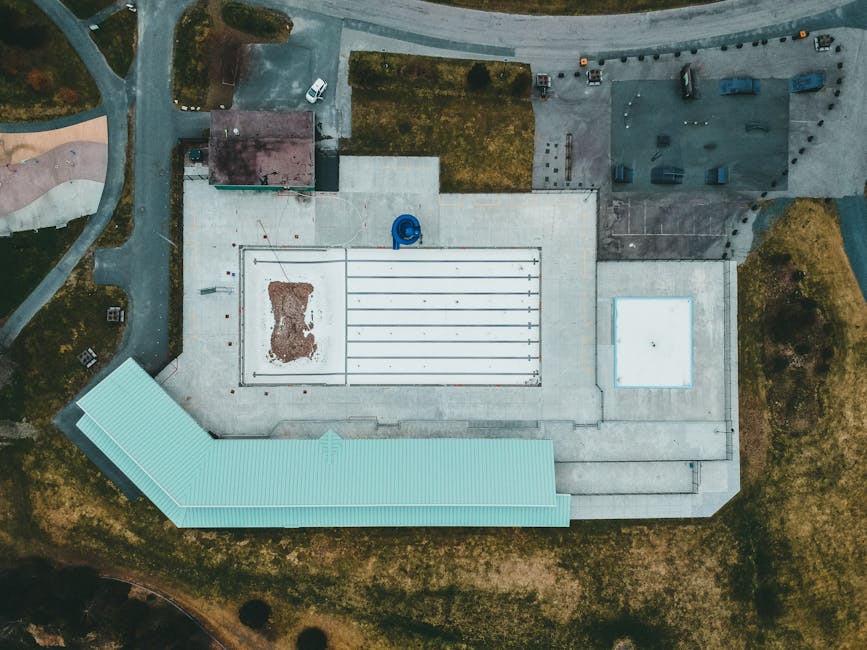
Maintenance: The Unsung Hero of Roof Longevity
Maintenance is where many building owners cut corners—and then blame the roof when leaks appear. Simple things like clearing drains, inspecting seams, and checking flashing after storms can prevent thousands of pounds in premature repair costs.
Most manufacturers and warranty providers specify minimum maintenance protocols—missing these can void your guarantee, regardless of whether the problem is workmanship or material failure.
Summary: What to Do If You Have a Leak
If your roof starts leaking, here’s a quick checklist:
Review guarantee documents and note expiry dates. Arrange a professional roof survey focusing on drainage, details, seams, and foot traffic areas. Get a deck survey if structural concerns exist. Engage with the manufacturer’s approved contractor or tech reps (such as IKO Group) for a joint investigation. Check maintenance logs to see if upkeep has been consistent. Ask yourself: “What would stop this roof reaching 35 years?” Use technical standards and certifications from bodies like BBA and SPRA to benchmark findings.Ultimately, a good design component selection, proper installation, and ongoing maintenance form a triangle of protection. If any point breaks down, leaks show up early. And remember, rejecting blame solely on materials or workmanship without real evidence leads nowhere fast.
Further Reading & Resources
- IKO Group – Manufacturer technical resources British Board of Agrément (BBA) – Certification standards for roofing Single Ply Roofing Association (SPRA) – Best practice guides and contracting
If you want to avoid join-the-blame-game meetings and keep your roof watertight for decades, focus on design, choose certified products, hire specialist contractors, and never skip maintenance. That’s how you get a roof that hits—not just its guarantee—but its full service life.