Bending wire cleanly and accurately is an essential skill for any packaging hobbyist, especially when working with reclaimed materials. It might seem straightforward to just grab a pair of pliers and start twisting, but anyone who’s tried it knows the frustration of twisted, uneven wire that can weaken your entire project—turning a sturdy-looking crate into a fragile stack of paperbacks ready to collapse. The good news is that with the right tools, a bit of know-how, and proper preparation, you can make your wire bends smooth, strong, and trustworthy.
Why Twisting Wire Is a Common Problem When Bending
Wire is naturally resilient, but it can easily be compromised if bent improperly. Twisting usually results from uneven pressure applied on the wire or poor gripping methods. When you twist wire during bending:

- The wire strands might kink, causing weak points that reduce load capacity The surface finish can be damaged, which is important when aesthetics matter in gift packaging or visible storage solutions The wire’s shape becomes unpredictable, which ruins alignment if you’re making multiple identical bends
For packaging hobbyists who prefer reclaimed materials, trust is everything. You’re building something that should hold, stack, and last without sudden failures. Think of each wire bend as a well-cataloged book in your ‘library’ of supplies—you want order, precision, and durability.
Choosing the Right Tool: Why Parallel-Action Pliers Change the Game
Traditional pliers, with jaws that pivot, often cause uneven pressure on the wire, leading to twists and kinks. This is where parallel-action pliers become an indispensable tool. These pliers have jaws that remain parallel to each other throughout the opening and closing movement, ensuring even jaw pressure along the contact surfaces.
Benefits of Using Parallel-Action Pliers for Wire Bending
- Controlled Bends: The consistent gripping prevents the wire from twisting sideways as you apply force. Clean, Precise Bends: By avoiding pinches or off-angle pressure, your wire maintains its gauge and shape. Less Material Damage: The jaws of parallel-action pliers often come with smooth or slightly textured surfaces, reducing scratches or dents on the wire.
When working with reclaimed packaging—whether it's salvaged wire handles from gift bags or wire frames from storage crates—the difference https://sophiasparklemaids.com/what-tape-works-to-start-a-handle-wrap-without-it-sliding/ between a clean and a twisted bend is like comparing a well-organized library to a chaotic pile of scattered pages.
Side Cutters: The Perfect Partner for Safe Wire Cuts
Once you’ve bent your wire correctly, you’ll often need to trim off excess portions. Avoid using hacksaw blades or dull cutters; instead, reach for quality side cutters. They provide quick, clean cuts that don’t crush the wire ends, preventing sharp burrs or ragged edges that could start tears or snag on other materials.
Always cut wire close to the bend when possible. This reduces stress concentration and leaves a neat finish. For package handles or shelving wires, this translates to safer handling and a more professional look.
Understanding Wire Gauge and Load Capacity
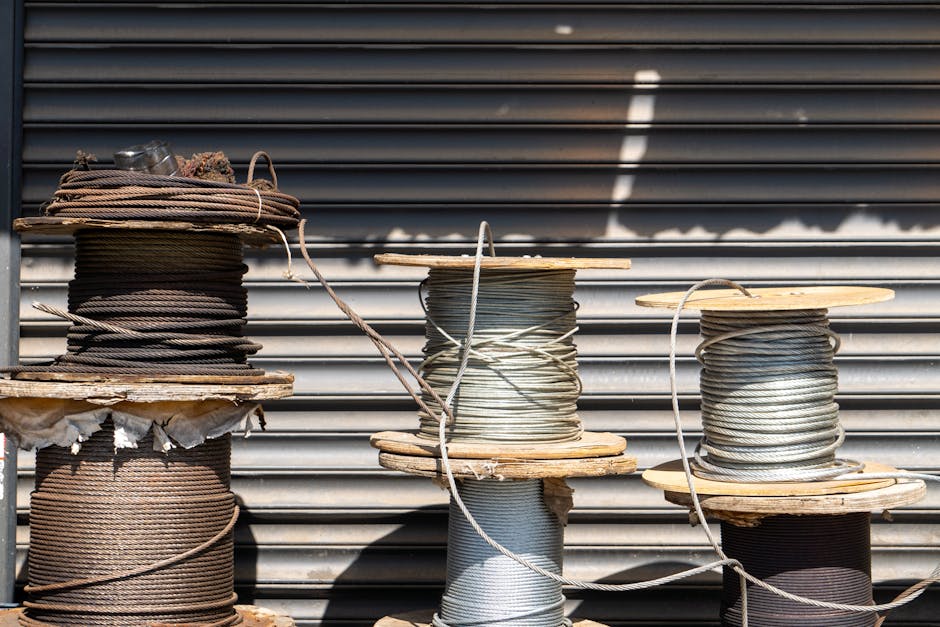
When working with wire in packaging, not all wire is created equal. Gauge (the wire thickness) largely determines how much weight the wire can handle without deforming or breaking. If you twist thin wire too much, it’s like placing a few dozen heavy books in a flimsy bag—it just wasn’t made for it.
Wire Gauge (AWG) Diameter (mm) Approximate Load Capacity (lbs) Recommended Use 22 0.64 6-8 Light bags, craft details 18 1.02 15-20 Small crate handles, gift bag frames 16 1.29 25-30 Medium storage shelving, medium loads 14 1.63 35-45 Large crates, sturdier handlesPicking the right gauge for your project and bending it carefully with parallel-action pliers ensures your reclaimed packaging will hold steady under load—like a well-constructed shelf holding a stack of paperbacks with just a 1 mm (+/-) clearance to spare.
Reinforcing Weak Materials Before Drilling
Often, you’ll need to attach wires to reclaimed packaging elements by drilling holes and threading wire through them. Before you do this, remember:
- Weak or thin materials (e.g., old cardboard or thin plywood) can tear if stressed Drill holes too close to edges or too large can cause splitting Rough, ragged holes act like tiny tears waiting to propagate under load
How to Reinforce:
Use a backing material: Glue a small patch of durable cardboard or thin wood behind the hole area. Pre-drill holes carefully: Start with a smaller drill bit to create a pilot hole before enlarging to the final size. This reduces tearing. Sand edges: Lightly sand or file the hole edges to remove raggedness. Wrap wire securely: When threading wire, do a gentle loop around an anchor point rather than a sharp bend.This method helps ensure that your wire handle or support remains safe and stable, rather than like a book falling off a weak shelf due to a torn hole.
Step-by-Step: Bending Wire Cleanly with Parallel-Action Pliers
Measure and cut wire: Use side cutters to trim your wire, leaving a small extra length for handling. Mark bend points: Use a marker or pencil to note precise points for bends to keep your project consistent. Secure wire: Hold the wire firmly but gently near the bend point using your parallel-action pliers, ensuring the jaws are aligned with the wire axis. Apply even pressure: Squeeze the pliers’ handles steadily, moving the wire slowly to the desired angle. Check bends: After each bend, inspect for any twisting or deformation. If there’s slight variation, adjust by holding the wire with pliers and gently correcting it. Trim excess: Use side cutters to remove excess wire cleanly after bending.Adding a tiny tolerance of plus or minus 1 mm in your measurements compensates for minor flex without compromising the perfect fit.
Final Tips for Packaging Hobbyists Who Reuse Wire and Materials
- Skip flimsy floral wire: It’s pretty but cannot bear weight and will twist or break easily. Invest in a good-quality parallel-action pliers: The upfront cost saves hours of frustration and wasted materials. Practice your bends on scrap wire first: Like test-reading a new book series before diving in, it prepares you for reliable results. Use reinforcing patches at stress points: You don’t want your carefully bent handles to turn into sudden drops. Keep your tools sharp and clean: Dull or dirty jaws bite unevenly, causing unexpected twists.
Conclusion
Mastering clean wire bends without twisting is https://fionafreshmaids.com/how-do-i-make-wire-handles-look-less-industrial-in-my-living-room/ crucial for anyone creating strong, reliable projects from reclaimed packaging. By selecting the right wire gauge, using parallel-action pliers for even jaw pressure and controlled bends, and reinforcing weak materials properly before drilling, you build a system that can hold loads safely and neatly—like a well-organized, carefully maintained library shelf.
Next time you’re about to twist wire with your classic pliers, pause, grab your parallel-action pliers instead, and feel the difference that precision and control make. Your reclaimed packaging projects will thank you with durability and style.