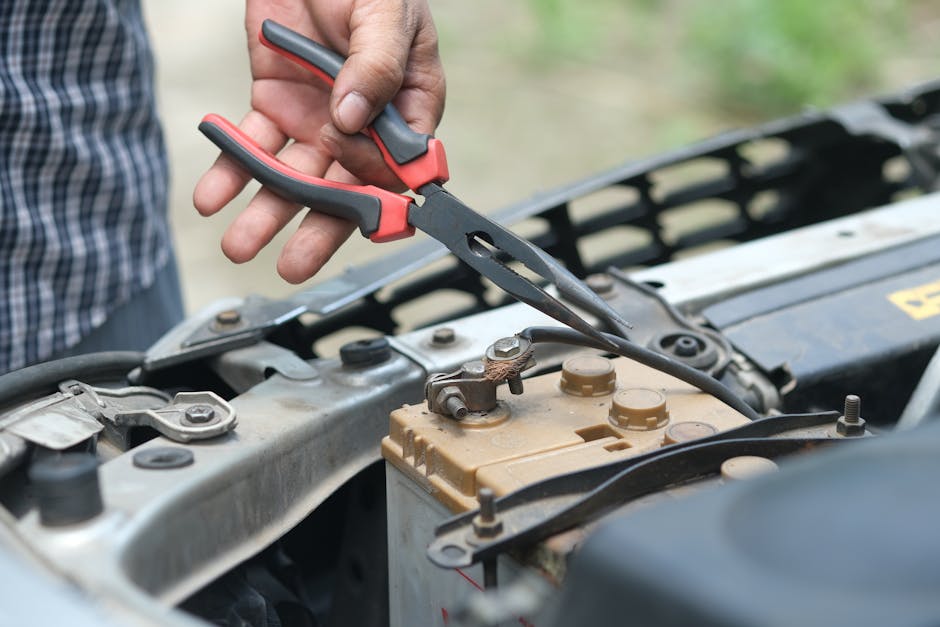
When it comes to transforming reclaimed packaging into trustworthy, reliable storage solutions, one of the biggest challenges is creating comfortable, load-bearing wire handles that don’t rely on bulky foam grips. Foam grips can add unwanted bulk, degrade over time, and often look out of place on carefully curated DIY projects made from reused materials. Fortunately, with the right approach and tools, you can craft wire handles that are both comfortable AISI 304 wire handle and durable, enhancing your storage's functionality without compromising aesthetics.
Why Wire Handles Matter for Reclaimed Packaging
Reclaimed packaging often comes with basic wire handles or none at all. Adding or refurbishing handles boosts the usability of boxes, crates, or baskets, especially when dealing with rigid small flats or tote storage. A well-crafted wire handle improves your grip comfort, minimizes hand fatigue, and ensures that your storage units can safely bear their intended loads.
Think of your storage like a well-organized library: the wire handles act as the book spines that hold everything neatly together. If the spines are weak or uncomfortable, the “books” (boxes or crates) don’t stack or carry well. Hence, careful attention to wire gauge, smooth bends, and the right tools is a must.
Understanding Wire Gauge and Load Capacity
Before you start bending wire or cutting shielding, it’s essential to match your wire’s thickness or gauge to the expected weight capacity. Wire that is too thin twists easily, creating a flimsy handle that may break under heavy loads — no better than ragged floral wire that annoys with its wobble and frailty.
- Recommended wire gauge: For comfortable handholds and loads equivalent to crates of paperbacks (around 15-20 kg), a wire gauge between 12 and 14 AWG (about 2.5-3.5 mm thickness) is sturdy and reliable enough. Vinyl tubing sizing: To cover the wire handle without bulky foam, use vinyl tubing sized 3.5-4 mm inner diameter (ID), which snugly fits around the wire.
Choosing the right wire gauge guards against sudden handle drop-offs and failures you’d notice in poorly reused packaging. When in doubt, opt for thicker wire for safety and longevity, allowing for ±1 mm tolerance in tubing fit to avoid pinching or slipping.
Tools for Crafting Comfortable Wire Handles
Two tools I swear by for preventing ragged drill holes, creating clean bends, and safe cuts are parallel-action pliers and side cutters. Each plays a unique role in the wire-handling process.
Parallel-Action Pliers: Smooth Arcs with a 5-6 cm Radius
Parallel-action pliers keep your wire bends perfectly aligned, ensuring consistent, smooth arcs with around a 5-6 cm radius. This radius is key. Sharp bends or kinks cause stress points where wires might fracture or feel uncomfortable in hand.

When shaping wire handles, the pliers let you bend arcs gently and precisely — think of these as the librarians who gently guide book spines to the same curve, ensuring uniform comfort and aesthetics.
Side Cutters: Safe and Clean Cuts
Side cutters are designed for clean cuts close to the wire surface without leaving rough ends or tapering strands that can poke fingers or snag fabric. Using dull or inappropriate cutters leads to ragged edges that mar your reuse project.
To avoid cutting-induced tears or splinters in your reclaimed packaging, use the side cutters carefully, cutting wires just outside the vinyl tubing grips to prevent wire coral sprouting.
Reinforcing Weak Materials Before Drilling
Often, reclaimed packaging like gift bags or thin cardboard boxes isn’t robust enough to bear the stresses from drilled holes for mounting wire handles. The last thing you want is a sudden drop because your anchoring ripped due to a ragged hole.
- Reinforce weak points: Apply extra layers of kraft paper, duct tape, or thin plywood patches behind drill points. Pre-drill pilot holes: Use a small drill bit (about 1-2 mm smaller than the screw or bolt shaft) to minimize tearing. Use washers and grommets: These spread out the load on vulnerable materials, similar to how a book’s dust jacket protects the cover from fraying.
Step-by-Step Guide: Crafting Comfortable Wire Handles
Measure and Prepare Wire:Cut your wire length to slightly longer than the expected handle span plus two times the anchor leg length. Add about ±1 mm allowance to ensure a snug fit with vinyl tubing.
Create Smooth Arcs with Parallel-Action Pliers:Using the pliers, bend the wire into a smooth "U" shape with a 5-6 cm radius, ensuring the ends are straight and parallel for anchoring.
Cut Wire Ends Cleanly:Trim excess wire with side cutters, leaving ends just long enough to pierce through your reinforced packaging without sharp protrusions.
Slide on Vinyl Tubing:Cut vinyl tubing sections matching the length of your wire handles. The tubing, sized 3.5-4 mm ID, will snugly cover and soften the wire. Trim tubing edges flush with the wire ends for a neat finish.
Prepare Reclaimed Packaging:Reinforce holes with patches or tape, pre-drill pilot holes, and use washers on screws or bolts for load dispersal.
Install Handles Securely:Insert wire ends through holes; fasten with nuts, bolts, or strong staples on the package interior. Test for sturdiness.
Maintenance Tips for Long-Lasting Handles
- Periodically check wire tension and vinyl tubing condition to prevent unexpected deterioration. Replace or tighten any loose anchoring points promptly to avoid sudden drops that ruin your storage’s integrity. Avoid overloading boxes beyond the wire gauge’s rated capacity to preserve handle comfort and safety.
Final Thoughts
Making wire handles comfortable without bulky foam is achievable with thoughtfulness in material choices, precise shaping with parallel-action pliers, and clean cuts using side cutters. Reinforcing your reclaimed packaging before drilling ensures these handles are trustworthy for practical use, with smooth arcs pleasing to hold — much like well-loved books with firm, friendly spines.
You know what's funny? with these techniques, your diy reuse projects carry more than just goods; they carry the confidence and satisfaction of well-crafted, lasting solutions. So why settle for flimsy floral wire handles when you can create sleek, sturdy grips that feel just right in your hand?