Making friends as an adult isn’t what it was in school — or even in early jobs. The hours get busier, social circles tighten, and relationships often feel more transactional. It’s why group travel, especially with small, interest-based trips like those curated by Hero Traveler or Camp Social, can feel both exciting and a little tricky. How do you foster connection without letting cliques form? How can the whole group make friends evenly, rather than splintering into exclusive Camp Social adult camp 2025 subgroups?
In this post, we’ll explore the structural reasons adult friendships are harder to form, why cliques naturally happen in group travel, and practical tips for creating an inclusive group trip where everyone feels connected. Plus, we’ll share tools and practices that have helped our travel groups click without forced networking vibes or vague promises of “life-changing” friendships.
Why Adult Friendships Are Harder: Structural Realities Behind Cliques
The U.S. Department of Health & Human Services (HHS) recently highlighted growing concerns about adult social isolation and loneliness, not just as personal issues but as systemic challenges. It’s no accident adults struggle to make meaningful connections—it’s baked into our modern lifestyle.
- Busyness: Work schedules, family responsibilities, and life’s many demands leave little time for casual socializing or repeated contact with new people. Shallow online ties: Social media connects us widely but often superficially, which doesn’t replace the deep repeated interactions needed to build trust. Transactional work relationships: Many adults form work relationships centered on tasks, not on shared values or interests, which limits emotional connection.
Because of these factors, adults often default to smaller, tighter social circles—or form “cliques” when put in group settings like trips. Cliques provide comfort zones and clear boundaries but can block new friendships from blooming.
Why Group Travel Can Either Create or Break Clique Culture
Interestingly, group travel has natural advantages for making friends: the shared experience, repeated contact, and time spent together. As a former community manager turned small-group travel host, I’ve facilitated first-night intros for hundreds of strangers and noticed exactly when a group shifts from polite acquaintances to real connections. That shift is where cliques either start to form or genuinely open up to everyone.
Small group travel curated by companies like Hero Traveler and Camp Social often avoids the common pitfalls that older, less structured trips face. Here’s why:
- Intentional group size: Groups are small enough to feel intimate but large enough for diversity. Interest-based programming: Trips are built around activities or themes, so people connect over shared passions. Repeated shared time: Multiple days together, not just a night or an event, allows relationships to deepen naturally without pressure.
These ingredients create a fertile ground for friendships to form evenly across the group rather than splintering.
Tips to Avoid Group Travel Cliques and Make Friends Evenly
Whether you’re hosting or participating, here are some practical tools and approaches to guide your group towards inclusivity and connection without forced networking vibes.
1. Facilitate Genuine Introductions, Not Just Name Exchanges
Start with introductions that spark real https://highstylife.com/are-adult-summer-camps-only-for-party-people/ curiosity. Instead of saying, “What do you do?” consider prompts like, “What’s a passion or hobby that makes you lose track of time?” or “What’s one place you’ve always wanted to visit and why?”
For hosts, I recommend keeping a tiny notebook of icebreakers that do not make people cringe. Avoid overused, surface-level questions, which can reinforce cliques by encouraging people to default to their comfort zones.
2. Structure Activities Where Everyone Must Participate
Plan group activities that encourage cross-group collaboration. Cooperative cooking classes, team challenges, and small group discussions mixed with rotation keep cliques from settling in. Shared experiences spark connection.
3. Create Safe Moments for Vulnerability
Groups often shift from polite to real during moments of storytelling. Consider including a session where everyone shares a travel mishap, a meaningful memory, or their “why” for joining the trip. This isn’t about forced deep sharing, but low-risk moments that open up pathways for empathy.
4. Mind the Physical Layout
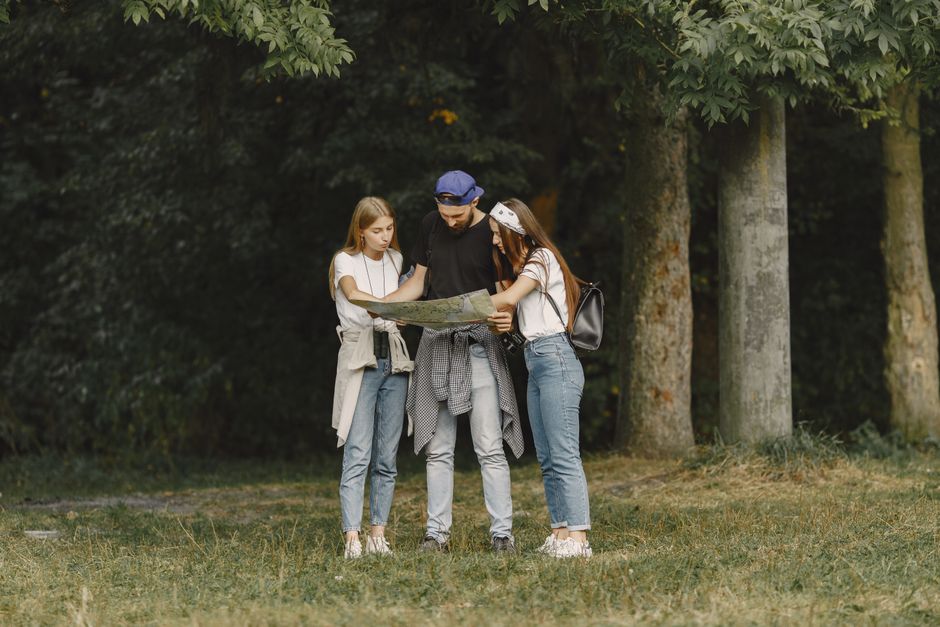
Where you sit or gather impacts who talks to whom. Changing seating arrangements regularly, especially during meals or workshops, can break default cliques. Use the power of proximity to foster new interactions.
5. Use Digital Tools Thoughtfully
For trip photos, many groups use Cloudinary for seamless image hosting and sharing. You can create shared albums that everyone accesses easily, which helps keep memories alive and conversations flowing even after the trip.
Also, encourage easy communication between participants by providing simple contact sharing methods like a Mailto email share link in your group welcome materials. This bypasses awkward social media “friend requests” and creates direct, intentional connections.
6. Embrace “Earplug Moments”
As someone who always packs earplugs and offers them like candy, I’ve found that creating space for quiet time in group settings helps prevent social burnout. Respecting down-time keeps people refreshed and more open to connection when they are together.
Sample Group Travel Schedule to Foster Inclusive Friendships
Time Activity Purpose/Result Day 1 Morning Welcome Circle + Icebreaker Create safe space, start low-risk sharing, introduce everyone Day 1 Afternoon Interest-Based Workshop (e.g., local cooking class) Shared purposeful activity, collaboration Day 2 Morning Outdoor Excursion in Rotating Pairs One-on-one interaction to deepen bonds Day 2 Evening Group Storytelling and Reflection Encourage vulnerability, create trust Day 3 Morning Open Free Time + Earplug-Optional Quiet Space Respect individual recharge needs Day 3 Afternoon Group Farewell Activity & Shared Photo Album Upload Celebrate connections, cement memoriesKeep in Mind: Friendship Building Needs Time and Structure
It’s a structural truth that cliques form because adults lack sufficient repeated contact and meaningful interaction. Small group travel, done well, breaks down barriers by intentionally weaving people together through shared experiences and thoughtful facilitation.
Companies like Hero Traveler and Camp Social have popularized this model because it works: simple, authentic, and interest-aligned travel brings people closer evenly.
If you’re planning your next trip or hosting a group, consider the tips above. Avoid vague promises of “life-changing” friendships, and instead create genuine moments where connections spark naturally.
Got your own tips on avoiding group travel cliques? Share this post via email and reply with your best icebreaker that doesn’t make people cringe—my little notebook is always hungry for new entries!