I’ve spent twelve years walking through construction sites across London, clipboard in hand, looking at the same predictable failures. I’ve seen beautiful polished concrete crack because the substrate wasn’t prepped; I’ve seen expensive luxury vinyl tiles (LVT) lift because a project manager thought it was a good idea to put "residential-grade" materials in a high-traffic bar; and I have spent countless hours in post-completion meetings discussing why the floor is perpetually tacky or, worse, a slip hazard.
The first thing I ask every client, every single time, is this: "What happens behind the bar on a Saturday night?"
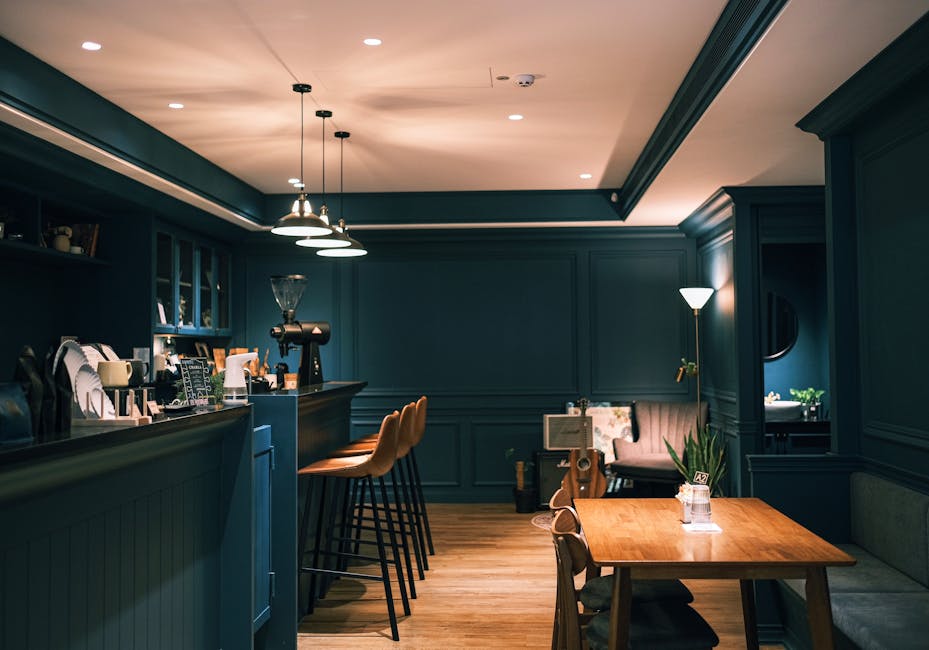
If you don’t have a bulletproof answer, you aren’t ready to pick a finish. You aren’t just looking for "wet operation flooring." You are looking for a system that can withstand dropped glass, spilled tonic, high-pressure cleaning hoses, and the sheer volume of foot traffic that turns a sub-floor into a structural liability. If your design team is prioritising aesthetics over durability, stop them now.
Commercial vs. Domestic Reality: Stop Buying from the High Street
The single biggest mistake I see in my line of work is the "Domestic Crossover." Someone sees a trendy tile in a showroom—maybe a high-gloss porcelain or a decorative cement tile—and thinks it will look ‘authentic’ in a busy restaurant. Two weeks after opening, the grout is black, the edges are chipping, and the slip resistance has dropped to near zero because the surface wasn't built for a commercial cleaning regime.
Domestic-grade products are not designed to be soaked for hours a day. They are not designed for the chemical aggression of commercial-grade detergents used to strip grease from a floor. When you choose a non-porous floor, you aren’t just choosing a aesthetic; you are choosing the long-term survival of your site.
Slip Resistance: The DIN 51130 Standard
If your floor gets wet, it needs a rating. It isn't a suggestion; it’s a liability management strategy. We use the DIN 51130 test—the industry benchmark for slip resistance in commercial and industrial settings.
Rating Application R9 Minimal slip resistance. Keep this in your front-of-house lobbies or dry areas only. R10 Standard for general hospitality. Okay for low-moisture areas. R11 The starting point for "wet operation flooring." Essential for bar backs and front-of-house areas near dishwashers. R12 The gold standard for commercial kitchens and heavy-duty wet zones.If you aren’t specifying at least an R11 for your bar back or kitchen prep zones, you’re setting yourself up for an insurance claim. I have seen managers try to "save money" by dropping to an R10, only to end up with a team of staff who have to walk like penguins to avoid hitting the deck during a Saturday night rush. Don't do it.
The Grout Lie: Why "Easy Clean" is a Myth
I’ll be blunt: if your design features tile install time bar tiles with deep, porous grout lines in a wet, greasy environment, you have failed your cleaning staff before the doors have even opened. Grout is the enemy. Even with high-quality epoxy grouts, you still have thousands of linear feet of edges where water, bacteria, and grime accumulate.
In a commercial setting, we look for seamless, non-porous surfaces. This is where firms like Evo Resin Flooring often come into the conversation. Resin systems allow for a continuous, liquid-applied membrane that can be coved up the wall—eliminating that 90-degree corner where filth lives. You don't mop a resin floor to clean it; you squeegee it. If you want a floor that survives a wet-mopping cycle every single night, stop looking at tiles and start looking at sealed, high-build resin systems.
HACCP and Hygiene: Meeting the Food Standards Agency
If you’re running a kitchen, you aren’t just answering to your investors; you’re answering to the Food Standards Agency (FSA). According to their guidelines, surfaces in food preparation areas must be easy to clean and, where necessary, disinfected. That means your flooring must be:
- Impermeable: It cannot absorb grease, blood, or water. Coved: The junction between the floor and the wall must be curved so that food scraps can’t hide in the corner. Resistant to chemicals: Your floor should be able to take a harsh degreaser without de-bonding.
Ignoring these hygiene standards in a kitchen isn't just a design flaw; it's a shutdown waiting to happen. I’ve seen inspectors point at a cracked floor tile in a kitchen prep area and tell the owner to rip out the entire room. Don't give them a reason to look at your floor twice.
Sector-Specific Needs: Don't Treat Every Room the Same
1. The Bar: The "Saturday Night" Pressure Cooker
Behind the bar is a micro-climate of destruction. You have leaking soda guns, dropped ice, sticky spillages, and the constant friction of bar staff pivoting on their heels. You need an R11 slip-rated surface that is completely sealed. If I see a join or a transition strip behind a bar, I know exactly where the rot is going to start.
2. The Commercial Kitchen
This is a wet, greasy, high-heat environment. You need a floor that is thermally stable and heavy-duty. Polyurethane screeds are standard here. They handle the thermal shock of hot water washdowns better than almost anything else. If you use a thin-film coating, it’ll peel the moment a stock pot of hot water hits it.
3. Barbershops and Salons
People forget that hair products are inherently slippery. Couple that with the water from wash-basins, and you have a massive trip hazard. You need a non-porous floor that won’t stain when hair dye hits it. Avoid anything with a textured finish that is too deep; it becomes a nightmare to sweep hair out of.
The "Transition" Trap: Where Designs Die
Transition zones—the threshold between your bar floor and your dining floor, or your kitchen and your corridor—are where I see 90% of my snagging issues. Designers love a nice chrome or aluminium threshold strip. They look slick on the render, but they are the first thing to lift when heavy trolleys or cleaning machines hit them.
My advice? Use cold-weld joints or continuous floor finishes where possible. If you must have a transition, ensure the substrate is perfectly level. An under-specced transition will eventually warp, leaving a sharp metal edge that becomes a trip hazard for your customers and a death trap for your staff's footwear. If the flooring company suggests a "stick-on" transition strip for a high-traffic area, fire them.
The "Opening-Week" Material Trap
I have a mental list of materials that look fantastic on opening night but look like a disaster within six months.
Honed Natural Stone: Looks luxury, but absorbs red wine and coffee like a sponge. Standard LVT: Great for a boutique hotel room, useless for a pub floor. Cheap "Slip Resistant" Coatings: These often use a grit that wears off or collects dirt, turning the floor into a sandpaper-like liability.
Stick to proven, industrial-grade systems. If it’s not being used in hospitals, high-end food production facilities, or major international hubs, ask yourself why you think it’s going to survive your venue.
Conclusion: Invest in the Substrate, Not Just the Look
Choosing the right floor for a wet environment is about managing risk. You are balancing the FSA’s hygiene requirements, your staff’s safety (DIN 51130), and the operational reality of a venue that needs to be scrubbed down at 2:00 AM.
If you take anything away from this, let it be this: Don't hide your problems under a thin layer of pretty flooring. Invest in the moisture-management systems, insist on coved junctions, and if you are in any doubt about the longevity of the install, pay for a professional resin installation that is built for the intensity of your business. Your snag-list—and your Saturday night staff—will thank you for it.