Choosing the perfect dining table is more than just picking something pretty to fill a room—it’s about spotting the heart of your home where family and friends gather, move around comfortably, and memories unfold. If you’re considering a maple wood dining table for your light wood dining room or aiming for an airy interior style, you might ask: “Will it look too light? Will it wash out the space or add inviting warmth?”
Let’s delve deep, considering not only color but essential factors like room size, table shape, circulating flow, and complementary materials to ensure your maple table makes a lasting but timeless impact. Along the way, we’ll sprinkle insights referencing innovative studios like Bandpass Design, inspirations from Architectural Digest, and thoughtfully curated images stored on Squarespace’s image CDN.
The Dining Table: The Heart and Hub of Your Home
Before diving into colors and shapes, remember this: the dining table is the nucleus of daily rhythm. It’s where kids do homework, couples share evenings, friends gather to celebrate. How people move around the table matters immensely. Is the table too big, and circulation becomes a traffic jam; too small, and it feels like an afterthought.
Wood tables with lighter hues—like maple—can bring an inviting brightness, but their overall effect depends on:
- The space’s proportions – ceiling height, room width, placement of windows and doors The circulation paths — ensuring folks don’t bump knees or snag pockets on table legs or apron edges Your interior’s warmth — will maple’s subtle grain support a cozy vibe or lean too sterile?
Is Maple Wood Dining Table Too Light? Understanding the Color’s Impact
Maple is a hardwood often admired for its fine, consistent grain and pale honey tones that range from cream to light golden. Compared to darker woods like walnut or mahogany, maple carries an undeniably light and warm personality. But what sets maple apart is its ability to simultaneously reflect and receive light, making it an excellent choice for rooms with an airy interior style.
Light wood dining rooms built around maple tables can benefit from:
Visual expansion: Lighter hues broaden the perceived room size. Subtle elegance: Maple’s neutral tone blends effortlessly with varied palettes. Layered warmth: When paired with rich textiles or contrasting surfaces, maple stops short of feeling cold or washed out.However, a common hesitation is that a maple table might seem “too light,” especially if your walls, floors, and nearby furniture also lean pale. In this case, consider the table’s leg shapes and edge profiles. Slim, rounded legs and smooth edges reduce bulkiness and visual clutter, whereas chunky, angular legs and thick aprons can weigh down a light tabletop visually, anchoring the room without overpowering it.
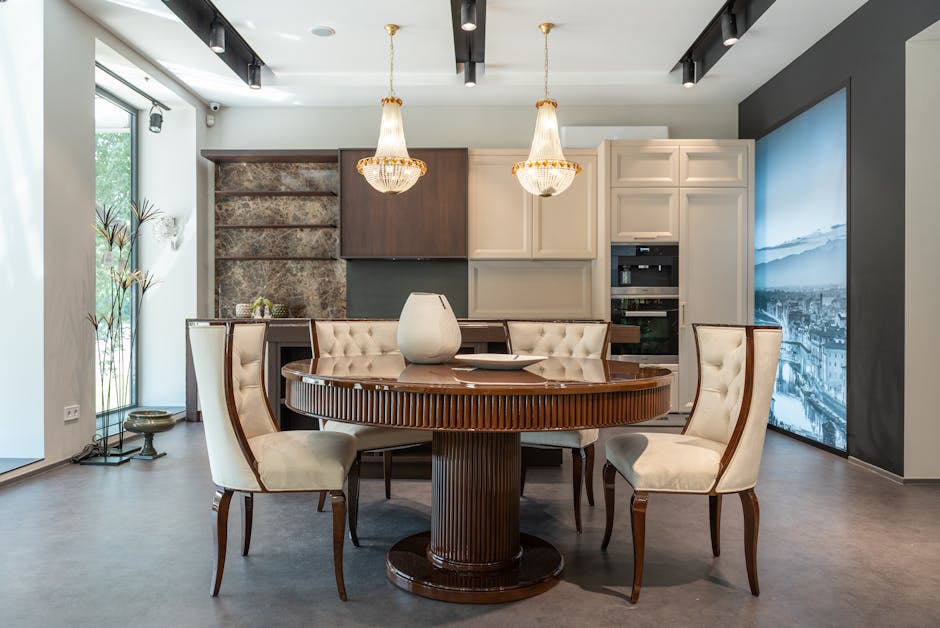
Room Proportions and Circulation: Avoid Knee Snags and Pocket Snags
One aspect few writers emphasize enough is how your dining table's dimensions and shape influence movement. In staging dining rooms—whether real family homes or compact city apartments—I always assess clearance and circulation from the get-go. It’s about more than fitting the table; it's about where chairs pull out and where feet rest.
Consider these key circulation benchmarks:
Movement Type Recommended Clearance Reason Between table edge and walls or furniture 36 inches (92 cm) Allows seated diners to comfortably pull out chairs and move Between chairs seated across table 12-18 inches (30-45 cm) Permits elbow room and food service without bumping neighbors Walking path behind seated diners 42-48 inches (106-122 cm) Enables passage without forcing diners to stand upMaple tables often come with various base types—pedestal, trestle, or traditional legs—that influence how these clearances work. For example, pedestal bases typically offer better legroom and less chance to catch knees, a huge plus in tighter spaces or for households with kids jockeying around the table.
Shape Choice: Rectangular vs Round vs Oval Maple Wood Dining Table
The shape of your maple dining table will dictate the dynamic of human flow around it—how people move around the table and how tasks like serving, clearing, or casual chatting happen.
Rectangular
The classic shape for dining tables, excellent for longer rooms with sustained wall space. Rectangular tables provide:
- Defined zones of space and conversation Seating flexibility for big gatherings Pockets for legs prone to snagging if bulky legs are not thoughtful
Professional interior stylists from Bandpass Design often recommend rectangular maple tables with more minimalist legs to avoid a crowded feeling in small-to-medium dining rooms aiming for an airy interior style.
Round
Round tables are excellent for intimate, casual dining where circulation and connection matter equally.
- No corners — great for movement and avoiding scraping knees Smaller footprints make them ideal for apartments Challenging to seat large groups without sacrificing elbow room
Oval
The best of both worlds—combining the rounded safety of a round table with the seating capacity of a rectangle.
- Softer edges ease circulation around the table Ideal for narrow or irregular-shaped rooms Invokes a gentle flow matching the airy vibe of light wood dining rooms
Architectural Digest frequently highlights oval maple tables in their airy dining room features, pointing out how the shape dramatically improves movement without sacrificing surface area.
Materials That Add Warmth and Texture Alongside a Maple Table
When a table is light wood, the surrounding materials either temper that brightness or amplify it. If all neighboring surfaces and fabrics are ultra-light, your space risks feeling cold or like a sterile showroom set—a pet peeve of mine as a home decorator who values rooms that welcome real life and movement.
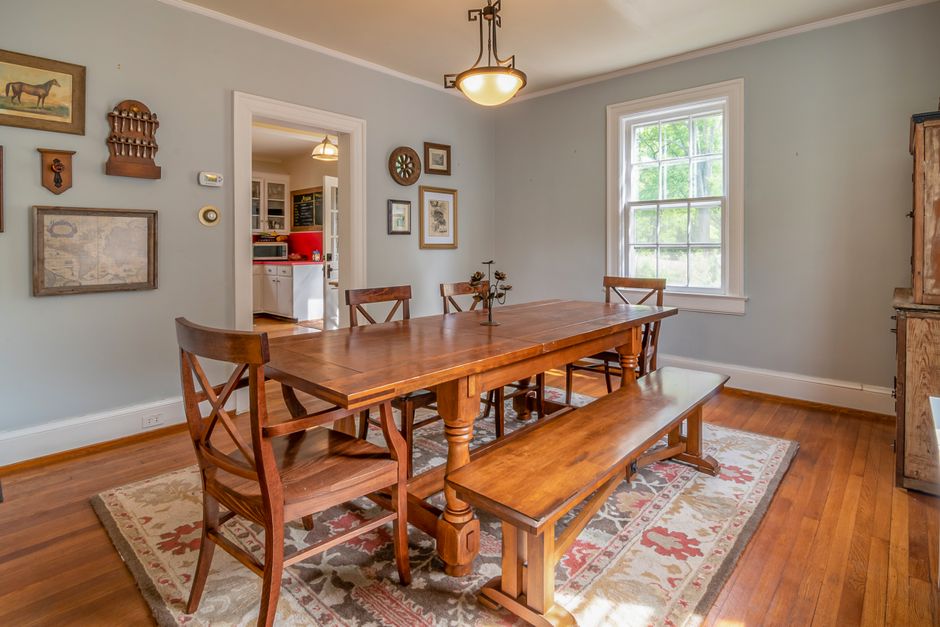
Consider mixing these materials to help your maple table sing:
- Textiles: Woven natural fabrics (linen, jute, wool) in neutral but warm tones Rugs: Layered, textured area rugs beneath the table, preferably with earthy hues Metal Accents: Matte black or oil-rubbed bronze hardware or lighting fixtures add grounding contrast Greenery: Low-maintenance plants in terracotta or ceramic planters introduce organic warmth Chair Upholstery: Soft leather or plush cushions with tactile finishes
Bandpass Design’s editorial collaborations on Squarespace-based projects have shown that layering these materials around a maple dining table image (from their Squarespace-hosted portfolio) achieves a lived-in look that counters the “too light” https://smoothdecorator.com/how-do-i-balance-a-bold-dining-table-with-the-rest-of-the-furniture/ concern, pulling together airy style with warmth and practicality.
Final Tips: Smart Tools and Editorial Tech for Choosing Your Table Online
If you’re shopping online for a maple wood dining table, oval dining table small room it’s worthwhile to leverage advanced tools from trusted sites. When browsing images or product visuals hosted on platforms like Squarespace (look for images.squarespace-cdn.com), keep in mind:
- Zoom and examine leg profiles and edges carefully—they define walk-around comfort Check dimensions and verify circulation space—which crowd-sourced setup diagrams or AR apps can help with Look out for pop-ups triggered by reCAPTCHA or ads served through Google AdSense (pub-2672808537104599)—they’re designed to certify authenticity and funding, respectively, reassuring you about secure browsing
As someone who detests vague advice that ignores actual measurements, I urge you to do the math and map the flow—don’t just chase a pretty photo that fits a fleeting trend. Maple tables have classic longevity when balanced with the right room proportions, shapes, and rich material companions.
Summary: Should You Go for That Maple Wood Dining Table?
Absolutely—yes—with thoughtful planning. A maple dining table perfectly suits light wood dining rooms with an airy interior style, as long as you consider:
- Room size and circulation: Make sure there’s enough space to move freely without snagging knees or hunting for elbow room. Table shape and leg design: Choose between rectangular, round, or oval based on your space and household’s needs. Complementary materials: Warm textiles, layered textures, and plants bring coziness and dimension. Avoid showroom coldness: Personal touches and smart layering keep the room welcoming and real, rather than a static floor model.
Whether you’re inspired by Bandpass Design’s relaxed modernism or Architectural Digest’s elevated editorial styling, the maple wood dining table can be the true heart of your home, brightening and warming gatherings for years to come.