After 20 years of navigating the cramped corridors and awkward alcoves of British homes, I’ve learned one immutable truth: your bedroom is only as functional as your nightstand reach. Far too often, I see clients invest in a beautiful storage platform bed, only to realize their existing nightstands are either buried beneath the mattress or hovering awkwardly at chest height. It’s an ergonomic nightmare that leaves your water, glasses, and phone out of reach.
To get this right, we have to move past "eyeballing it." We are going to use cold, hard data. Grab your tape measure, because we are going to calculate your perfect bedside companion based on the reality of your sleep setup.
The Golden Rule: The 5-10 cm Drop
The industry standard for a comfortable nightstand is surprisingly simple: it should sit 5 to 10 cm below the top of your mattress. Why? If the table is higher than your mattress, you risk knocking over your bedside lamp or water glass in your sleep. If it’s significantly lower, you are forced to crane your neck or shoulder awkwardly to grab your phone during a middle-of-the-night emergency.
When working with storage platform beds, this rule becomes even more critical. Because these beds are inherently thicker (due to the drawer mechanism underneath), the mattress surface is often higher than a traditional frame. You cannot simply buy the first "standard" nightstand you see.
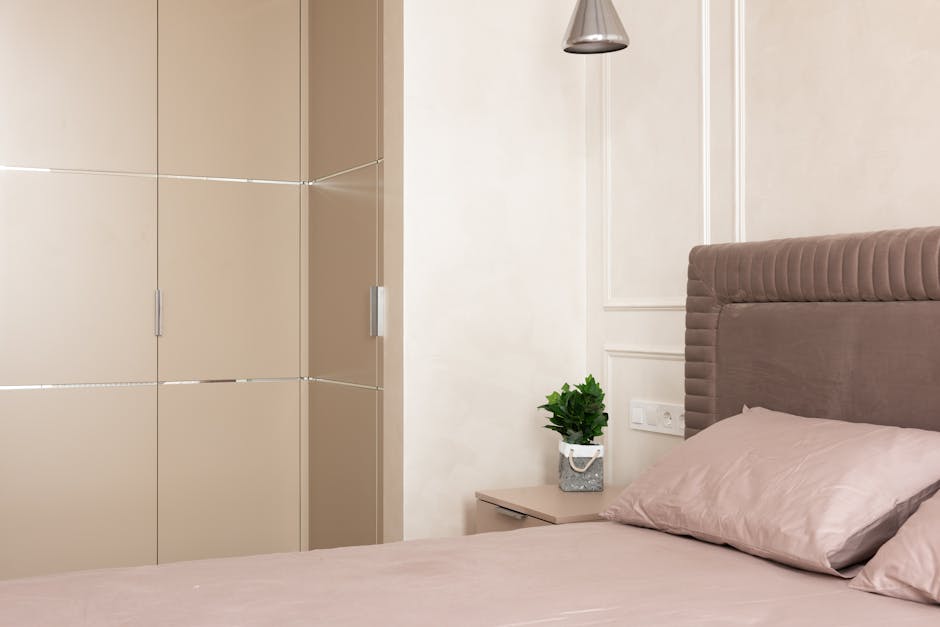
Step 1: Your Pre-Purchase Audit
Before you even look at a catalog, follow this process:

Understanding Bed Variations and Mattress Thickness
Not all beds are created equal. A standard divan base behaves differently than a high-profile storage platform bed. I’ve reviewed many setups over at amumreviews.co.uk, and the biggest mistake is failing to account for the "Pillow-top Factor."
Bed/Mattress Type Typical Height Range (cm) Recommended Nightstand Height (cm) Low-profile Platform 45–55 cm 35–45 cm Standard Divan 55–65 cm 50–60 cm Storage Platform (w/ Pillow-top) 65–75 cm 60–70 cm Custom High-Rise 76+ cm 71–75 cmIf you are pushing into custom bed height 76+ cm territory, standard retail furniture will fail you. You are looking for a tall bedside table 71–75 cm. These are harder to find on the high street, but they are essential for maintaining proper ergonomics.
Ergonomics: Shoulder Reach and Daily Utility
The National Institute of Standards and Technology (NIST) provides vast amounts of data on human factors and ergonomics, and while they don't explicitly test nightstands, their principles on "Reach Envelopes" are clear. A comfortable reach should not require a full extension of your arm or a contortion of your shoulder.
When your nightstand is the correct height, your hand should meet the surface with a slight bend in the elbow. If you are reaching upward, you are straining your deltoids. If you are reaching downward, you are straining your rotator cuff. For those of us who spend 8 hours in bed, those minor daily strains add up to long-term discomfort.
The "Storage Platform" Complication
Storage platform beds often feature bulky drawers that extend to the floor. If your nightstand is too wide, it will block the drawer's path. Always check the swing or slide of your bed's storage mechanisms before positioning your furniture. Designers at firms like Petalwood Interiors often advise clients to leave a 10–15 cm gap between the bed frame edge and the nightstand to ensure drawer clearance.
Sourcing Your Nightstand
Finding a tall bedside table 71–75 cm can be a challenge. Most mass-market furniture tops out at 60–65 cm. Here is how I advise my clients to handle this gap:
- The Furniture Leg Hack: If you find a beautiful nightstand that is 60 cm tall but your requirement is 70 cm, look for removable legs. Replacing them with a set of stylish, height-adjustable metal or wooden furniture legs can gain you that missing 10 cm. Wall-Mounted Shelves: This is my go-to for rental-friendly setups. By mounting a sleek console shelf at your exact calculated height, you bypass the "standard height" problem entirely. It looks cleaner, keeps the floor clear for your vacuum, and can be customized to the exact millimetre. Custom Joinery: If you have a specific vision for your bedroom, don't settle. A local carpenter can build a bedside unit to your exact "Target Height Window" for often less than the price of a high-end designer piece.
Final Checklist for Your Bedroom
Before you hit "buy" on that nightstand, run through this quick checklist:
- The Tape Measure Check: Did you measure floor to mattress top at the head of the bed while the mattress was under load? The Overhang Test: Does the nightstand depth align with the side of the mattress? If your mattress overhangs the frame by 2 cm, your nightstand depth needs to be calculated from the mattress edge, not the frame, to prevent your legs from hitting the corner when getting into bed. The Reach Test: Place your phone and water glass in the "reach zone." If you have to lean more than 15 degrees off the side of the mattress, the table is too low. If you have to reach up above your shoulder line, it is too high.
Remember, your bedroom is your sanctuary. Whether you are dealing with a standard frame or a custom bed height 76+ cm, the goal is to make the space work for your body, not the other way around. Keep your measurements written down in your phone https://amumreviews.co.uk/should-bedside-tables-be-higher-than-the-bed/ notes, ignore the "one size fits all" marketing fluff, and prioritize your comfort above all else.