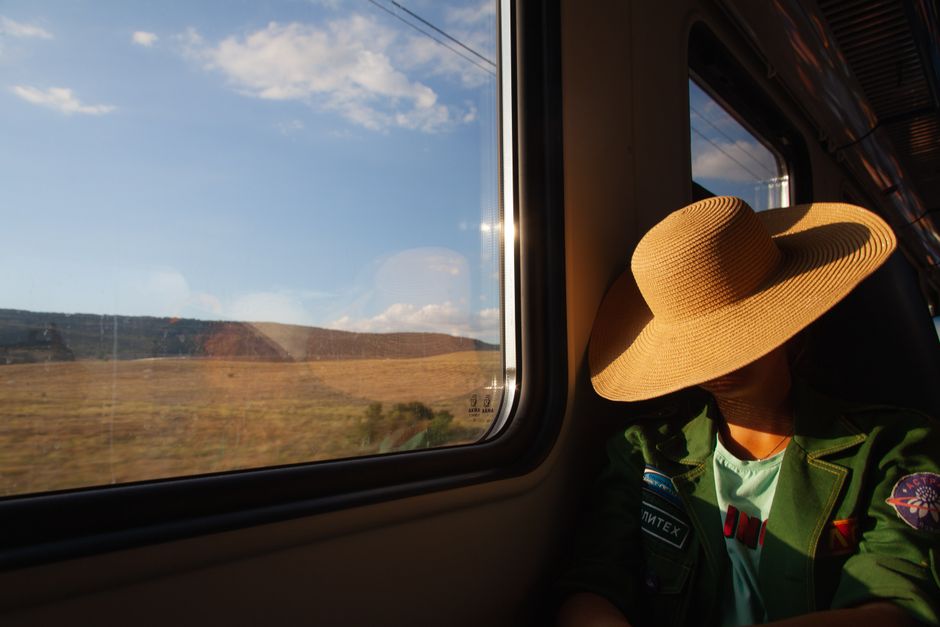
I spent three years working the front desk of a hostel in Prague, and I’ve seen it all: the backpackers running on three hours of sleep and cheap espresso, the couples fighting over train schedules, and the travelers who arrived looking like they’d just run a marathon, despite having spent the last ten hours sitting in a plane seat. For a long time, travel was treated as a sport—a checklist of monuments to be conquered as quickly as possible. But something has shifted. We’ve reached a collective burnout point, and the rise of wellness tourism growth is proof that we’re finally starting to treat our health with the same weight as our flight itineraries.
As someone who has lived out of a backpack for months at a time, I’ve learned that travel doesn't have to be a debt you pay back to your body with a week of recovery at home. Here is why the shift toward intentional travel is happening, and how you can actually make it work for you.
What Exactly is Wellness Tourism?
If you look at the marketing materials for most "wellness retreats," you’ll see stock photos of women in linen clothes doing yoga on a cliffside. That’s not necessarily wellness; that’s just a nice photo. Wellness tourism is the practice of traveling with the intention of enhancing or maintaining one’s physical, mental, or spiritual well-being. It isn't just about spas or green juices—it’s about how we interact with the places we visit.
The industry is exploding because people are tired of coming home feeling like they need a vacation *from* their vacation. Spa travel trends have evolved from simple massages to comprehensive health circuits involving thermal waters, forest bathing, and guided movement. We are moving away from the "see as much as possible" model toward the "feel as much as possible" model.
Why Wellness Tourism Growth Is Accelerating
The global demand for wellness-first travel isn't a fad; it’s a reaction to our hyper-connected, fast-paced daily lives. We spend our weeks staring at screens, tethered to notifications, and living in environments that rarely prioritize movement or natural light. When we finally get time off, we want to reset. Here are the core reasons for this shift:
- The Anti-Burnout Movement: Travelers are realizing that "doing nothing" is a valid activity. We are actively rejecting the itinerary that starts at 7:00 AM and ends at midnight. Accessibility of Data: We now understand the physiological impact of jet lag, sleep deprivation, and poor diet while traveling. We have the tools to plan smarter. A Return to Nature: Access to quiet, green spaces has become the ultimate luxury. Thermal centers and eco-retreats offer an antidote to the "urban grind."
The Logistical Shift: Planning for Sleep and Longevity
I’m a travel editor who packs a high-density foam roller in a 40-liter backpack. People laugh, but until you’ve spent 12 hours on a train in eastern Europe, you don’t know true stiffness. Wellness-first travel starts with logistics, not destination marketing.
Prioritizing Sleep and Jet Lag
If you’re traveling across time zones, the first two days of your trip shouldn't be about sightseeing—they should be about biological traveldudes.com adjustment. I always book my accommodation based on a few non-negotiables:
Window Blackout Potential: I check reviews for mentions of street noise and curtain quality. Light pollution is the enemy of recovery. Walkability: I refuse to stay in places that require a 45-minute bus ride to reach a park or a grocery store. The ability to walk outside to breathe fresh air immediately upon waking is critical for circadian rhythm resetting. Grocery Proximity: If I can’t easily access fresh, local food to keep my blood sugar stable, I don’t book it. Hotel breakfast buffets rarely cut it for long-term health.The Trap of "Vague Wellness"
This is my biggest grievance: retreats that promise "transformation" but hide the daily schedule until you’ve already paid the deposit. If an organization says they prioritize "wellness" but mandates a 6:00 AM start for a meditation session you didn't ask for, that isn't wellness—that's just a rigid corporate retreat with different branding.
Look for these red flags before booking:
- No clear mention of downtime or "unscheduled hours." Wellness claims that lack scientific or professional backing (e.g., "detox" programs that just restrict calories). A focus on "perfection" rather than "integration"—if you can't see yourself doing these activities in your own home, it’s not a lifestyle change; it’s a performance.
The Power of Slow Travel
One of the strongest pillars of wellness tourism is the move toward slow travel. Instead of visiting three cities in ten days, choose one location for fourteen. This allows you to unpack, establish a rhythm, and actually benefit from the local environment. When you stay longer, you stop being a tourist and start being a resident. You find your local coffee spot, you figure out the best park for a sunset walk, and you stop rushing.
On every single trip I take, I reserve at least one full day as "unscheduled." No museum tickets, no dinner reservations, no "must-sees." That day is for walking, reading, or—most importantly—simply being. It is the single best way to ensure I don't burn out by day four.
Comparison: Old School Travel vs. Wellness-First Travel
Feature Old School Travel Wellness-First Travel Itinerary Hour-by-hour checklists Themes and "anchor" activities Pacing High-speed, "FOMO" based Slow, "JOMO" (Joy of Missing Out) based Planning Focus on sightseeing distance Focus on walkability and grocery access Health "I'll rest when I'm home" "Rest is part of the itinerary" Packing All outfits, no recovery tools Packing the foam roller and proper sleep gearHow to Start Planning Your Own Wellness-First Trip
You don't need a $5,000 spa voucher to practice wellness tourism. You just need to be more intentional about how you spend your energy. If you are planning your next trip, start with these questions:
- Can I walk to nature from my front door? If the answer is no, keep looking. Is the location quiet enough for deep sleep? Use Google Maps street view to check if you’re next to a major nightlife hub or a construction site. Have I left myself a "buffer day"? Never schedule a flight or an activity for the first day you arrive. Your body needs time to land. What is my "movement non-negotiable"? Whether it’s a morning stretch or an evening walk, keep the activity that makes you feel "at home" in your body, regardless of where you are in the world.
Wellness tourism is growing because we are finally realizing that travel is an extension of our lives, not a departure from them. By prioritizing sleep, respecting our own pacing, and demanding transparency from the retreats we book, we can stop "using up" our vacation days and start using them to actually replenish what we’ve lost in the shuffle of daily life. Now, if you’ll excuse me, I have a foam roller to pack—my lower back is already thanking me for the pre-trip maintenance.