If you're tackling a full home gut renovation—whether it’s a complete flip or a major remodel—one crucial question inevitably pops up early in your planning: “What dumpster size do I need?” Selecting the right dumpster isn’t just about having enough space for debris; it’s about efficiency, cost control, protecting your property, and working with trusted local providers. In this guide, I’ll walk you through everything you need to know to choose the right dumpster for a full home flip, including considerations for driveway protection with hardwood boards, understanding flat-rate pricing and fee transparency, sizing dumpsters for real-life projects, and the difference between local fleets and national brokers.
Why Dumpster Size Matters on a Full Home Flip
A full home gut renovation generates a large volume of waste—from drywall, old flooring, and cabinetry to heavy roofing debris and concrete chunks. If you underestimate your dumpster size, you may end up paying for multiple swaps or overage fees, leading to costly surprises. Oversizing a dumpster, on the other hand, might seem safer but can inflate your hauling budget unnecessarily.
Using the right dumpster size:
- Keeps your project site organized and safe Prevents multiple dumpster swaps or overfilling Saves you money with flat-rate pricing and no hidden fees Makes scheduling and logistics smoother
Understanding Dumpster Sizes — What Works for a Full Home Flip?
Dumpster sizes are typically measured in cubic yards. While sizes range from 10 yards to 40 yards or more, the most common sizes for residential remodeling projects are 10, 15, 20, and 30 yards.
Why a 20 Yard Dumpster for Flip Is Often the Sweet Spot
A 20 yard dumpster generally provides enough room for all standard waste generated by a full gut renovation of a typical single-family home (1500 - 2500 sq ft). Here's why:
- Capacity: Around 8-10 pickup truck loads of debris. Footprint: Fits comfortably in driveway or street location without overtaking space. Cost-effectiveness: More economical than multiple smaller dumpsters and less likely to require a swap compared to a 10 or 15 yard dumpster.
Consider that a full kitchen, bathroom, drywall, cabinetry tear-out, flooring, and roofing material can easily fill a 20 yard dumpster. Larger homes or more extensive projects may even require two 20 yarders or a bigger 30 yard container.
Multiple Swaps Dumpster Strategy
Sometimes a project generates so much waste that a single dumpster won’t hold it all. A useful approach is the multiple swaps dumpster strategy, where you book a dumpster with the hauling company for multiple pickups throughout the project.
- Allows flexibility on timing waste disposal. Can lower up-front costs by renting a mid-size dumpster initially. Packages flat rates to include swap fees and dumping, avoiding surprises.
This works best when your project phases are clearly delineated, such as framing demo first, then roofing, then finishes, requiring you to clear out the bin periodically to keep it functional.
Driveway Protection and Dumpster Placement: The Importance of Hardwood Boards
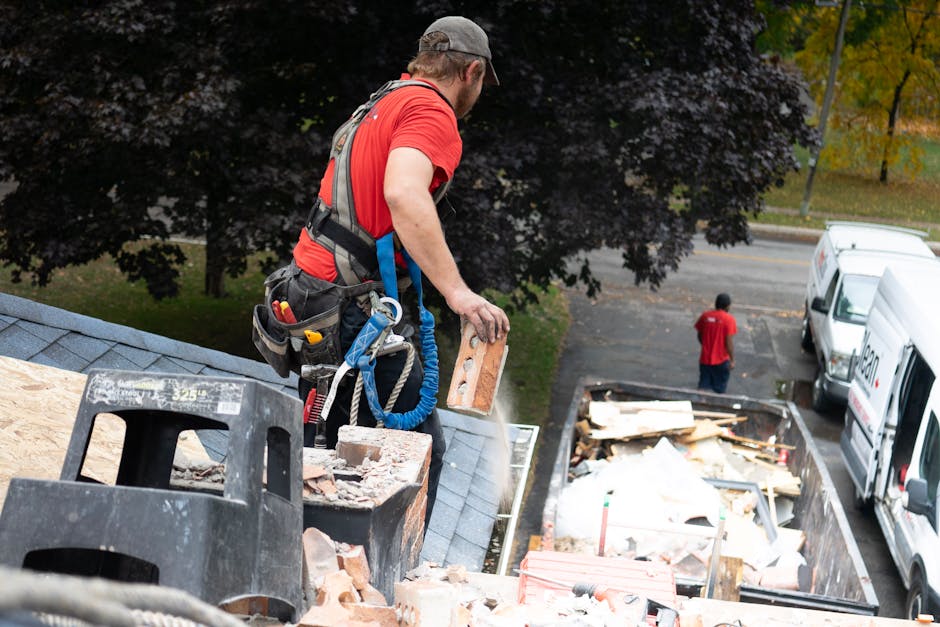
If you plan to place your dumpster on a residential driveway, protecting the surface is critical. Driveways—especially older concrete or asphalt—can be damaged by the concentrated weight of a dumpster and the heavy boots of workers loading debris.
Using Hardwood Boards for Driveway Protection
Hardwood boards act as a barrier, distributing the weight of the dumpster to prevent cracks, gouges, and staining. Your dumpster rental company or your demo contractor should place several thick hardwood planks before rolling the container onto the driveway.
- Avoid damage claims: Proper protection minimizes damage claims and out-of-pocket repair costs. Stabilizes placement: Boards help keep the dumpster stable and reduce shifting during loading. Compliance with HOA or city rules: Some neighborhoods require driveway protection as part of permit conditions.
If placing dumpsters on grass or dirt, use plywood sheets or mats, but hardwood boards are the preferred choice for paved surfaces due to their durability and reusability.
Flat-Rate Pricing and Fee Transparency: Avoiding Dumpster Rental Surprises
One of the biggest frustrations for renovators is hidden fees with dumpsters. Pricing can include:
- Base rental fee Dumping fee at the landfill or recycling center Overage fees for extra weight or volume Swap fees for multiple pickups Permitting fees if placing in street or HOA areas
Flat-rate pricing models that bundle all fees into one upfront cost give you budget certainty and avoid unexpected charges.
Example of a transparent pricing model for a 20 yard dumpster:
Fee Type Description Cost Rental Duration 7 days of dumpster rental time $350 Drop-off & Pickup Delivery and haul away included Included Dumping Fee Weight-based landfill/recycling fees Included in flat rate Multiple Swaps Up to 2 dumpster swaps during rental Included Total $350 flat rateAlways ask your dumpster provider for a clear, written quote breaking down fees upfront with no "surprise charges."
Local Fleet vs. National Brokers: Which Dumpster Provider Should You Choose?
Choosing between local dumpster rental companies and large national brokers can significantly affect your project experience.
Advantages of a Local Fleet
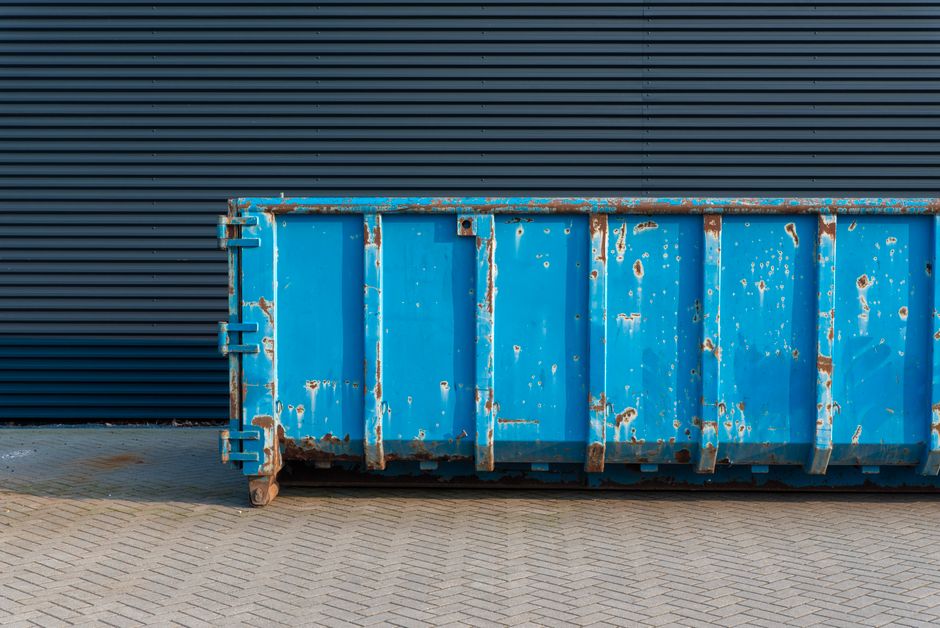
- Direct communication with the owning company, not a middleman Flexible scheduling and quick service response times Better knowledge of local permit requirements and neighborhood rules Often better driveway protection protocols, like hardwood boards included Supporting local businesses in Hampton Roads strengthens the community economy
National Broker Considerations
- Often operate as middlemen, subcontracting to local haulers May have less control over on-site service or property protection Sometimes rely on one-size-fits-all pricing with less local insight Could be more competitive on initial price but risk hidden fees or delays
For full home flips in Virginia Beach, Chesapeake, and the surrounding Hampton Roads area, working directly with a trusted local dumpster fleet usually delivers a better 10 yard dumpster price overall experience and peace of mind.
Dumpster Sizing Cheat Sheet for Full Home Flip Projects
Project Scope Recommended Dumpster Size Notes Small kitchen or bathroom remodel only 10-15 yard dumpster Smaller debris volume, less space needed Full home gut renovation (1500-2500 sq ft) 20 yard dumpster Best balance of capacity and cost Large homes or extensive remodeling (>2500 sq ft) Two 20 yard dumpsters or one 30 yard dumpster Consider multiple swaps for phased projects Roof tear-off and major exterior demo 20-30 yard dumpster Heavy debris but some space savings by stagingFinal Tips on Booking Your Dumpster for a Full Home Flip
Plan your waste volume realistically based on scope and materials removed. Ask for hardwood driveway protection to avoid damage and additional costs. Choose flat-rate pricing with detailed fee transparency. Go local with your dumpster provider for better communication and service. Consider a 20 yard dumpster as the default size for most full home gut renovations. Schedule dumpster swaps upfront if your waste volume is very large or your project phases are spread out.By following these guidelines and partnering with the right dumpster service, you’ll streamline cleanup, keep your full home flip on schedule, and avoid common pitfalls that can add stress and costs. If you’re flipping homes in Hampton Roads and want expert advice on dumpster rentals and project logistics, don’t hesitate to reach out to local professionals who understand your market, home styles, and demolition needs.