In today’s evolving workplace, adaptability is no longer a luxury—it’s a necessity. With hybrid work models becoming the norm and shifting employee expectations, companies need office environments that can change and grow without massive downtime or costly renovations. The secret? Modular office furniture, mobile whiteboards, and reconfigurable seating solutions that keep pace with dynamic workflows and balance collaboration with privacy.
Understanding the New Work Landscape: Hybrid Work and Changing Expectations
According to Harvard Business Review, the future of work leans heavily towards hybrid models, mixing remote and in-office days. This fluidity means traditional cubicles or fixed layouts no longer meet employee needs. Instead, workers crave flexible environments that allow both focused, private work and collaborative moments.
Enter companies like Lum Chang Brandsbridge, who specialize in commercial office solutions prioritizing flexibility and adaptability for evolving business demands. By incorporating modular designs that support hybrid schedules, they help employers maximize real estate efficiency while improving employee satisfaction.
Why Flexible Layouts and Multi-Purpose Zones Matter
Designing office spaces that can pivot quickly helps organizations avoid costly overhauls. Flexible layouts featuring modular office furniture and multi-purpose zones empower teams to customize their space based on daily needs, enabling seamless transitions between tasks.
- Multi-Use Meeting Rooms: Spaces can convert from formal conference rooms to breakout zones with the help of mobile whiteboards and movable seating. Focus Pods and Quiet Areas: Easily installed pods or partitions create privacy as needed and can be relocated later. Hot Desking Areas: Adjustable desks and flexible seating enable employees rotating in and out of the office to have comfortable workstations without permanent assignments.
Visualizing these flexible zones becomes simple with digital tools and inspiration galleries hosted on platforms like Squarespace CDN, where designers and facilities teams can showcase modular furniture layouts optimized for versatility.
Design Based on Real Workflows
Flexibility isn’t just about moving furniture — it’s about supporting how people actually work. The best office redesigns start by observing workflows and communication patterns, then refining the space accordingly.

Leveraging these insights into furniture and spatial design aligns with best practices featured in Harvard Business Review’s future office research. This evidence-based approach delivers maximum ROI by creating spaces employees want to use.
Striking the Balance: Collaboration vs Privacy
One of the biggest design challenges in a flexible office is finding the right balance between collaborative spaces and areas for focused, private work. Modular office furniture plays a pivotal role lorddecor.com here:
- Mobile Whiteboards: These foster creativity and teamwork when grouped but can be moved aside to open up space for quiet work. Reconfigurable Seating: Lightweight chairs and bench seating with casters allow quick shifts from collaborative clusters to individual desks. Partition Panels and Acoustic Dividers: Easily installed and relocated, these create privacy zones without permanent construction.
Experts at Lum Chang Brandsbridge emphasize that furniture systems must accommodate different working modes throughout the day, providing seamless transitions between spontaneous collaboration and focused productivity.
Top Furniture Choices To Make Office Layouts Easy to Change
Modular Office Furniture Systems 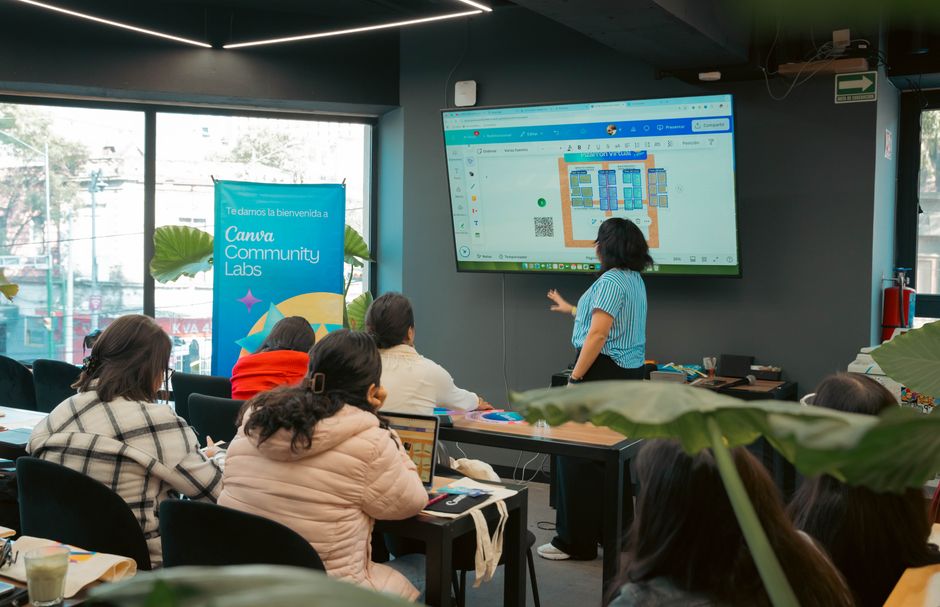
Look for pieces built with standardized components that snap or bolt together easily—desks, shelving, and storage units that can expand or shrink depending on team size. Mobile Whiteboards and Writable Walls Portable whiteboards on casters let teams brainstorm anywhere. Writable wall panels double as dynamic idea spaces and pinboards. Reconfigurable Seating Chairs and stools with lightweight frames and wheels move effortlessly to support different seating arrangements—from rows to circles to solo pods. Folding and Nesting Tables These enable rapid reorganization of workspace layouts for training sessions, team huddles, or social events. Acoustic and Privacy Panels Semi-permanent partitions that can be repositioned ensure noise control and visual privacy without construction.
Practical Tips for Implementing Change-Ready Office Furniture
- Engage Cross-Functional Teams: Collaborate with IT, facilities, and end-users to identify critical furniture features. Test Before You Invest: Pilot modular setups in a small area to gather feedback on functionality and comfort. Plan for Future Growth: Select furniture systems that allow simple expansion or reduction without replacing everything. Use Technology to Communicate Designs: Share floor plans and photo mockups via digital platforms using hosted images from reliable CDNs like Squarespace CDN for speedy collaboration. Train and Encourage Staff: Empower employees to move and adjust furniture themselves when work requirements change.
Conclusion
Adaptability in office design is key to thriving in today’s hybrid work environment. Choosing the right combination of modular office furniture, mobile whiteboards, and flexible seating options ensures your space can evolve alongside evolving workflows and employee needs. Companies like Lum Chang Brandsbridge demonstrate how thoughtful choices help balance collaboration with privacy, all while minimizing operational disruption.
By grounding your design in real everyday workflows and leveraging digital tools like Squarespace CDN to share visuals effortlessly, your office will be ready for whatever comes next—fluid, functional, and future-proof.