Choosing the right bathroom mirror often feels like a throwaway decision, but as any seasoned remodeler or bathroom enthusiast knows, mirror selection is a blend of aesthetics, functionality, and technical precision. Among mirror types, pivot and tilt mirrors stand out for their adjustability, adding both practical task lighting benefits and design flair. Yet many hesitate when price tags come into view without understanding the factors driving costs.
This post breaks down the pivot mirror $50 to $150 price range, key considerations influencing tilt mirror cost, and what to expect from adjustable mirror hardware. Along the way, we’ll weave in expert standards from the National Kitchen & Bath Association (NKBA), highlight trusted lighting brands like Golden Lighting and Lumens, and clarify roles for the glazier and electrician in ensuring your bathroom mirror installation shines.
Types of Bathroom Mirrors: Making Functional Decisions
Before delving into pricing, first recognize that bathroom mirrors are not just decorative objects — they’re tailored functional elements. Here’s a quick taxonomy:
- Shape: Rectangular, round, oval, and custom cut. Pivot and tilt mirrors are most commonly rectangular due to mounting hardware constraints. Storage: Medicine cabinets vs. flat mounted mirrors. Pivot mirrors often double as medicine cabinets providing hidden storage. Mounting: Fixed, pivoting, tilting, or adjustable arm mirrors. This post focuses on pivot/tilt models with dynamic movement ranges. Lighting: Front-lit, backlit, integrated LED strips, or external sconces/flanking lighting. Lighting type significantly impacts pricing and performance.
Adjustable mirrors like pivot and tilt styles excel in targeted task lighting scenarios—perfect for shaving, makeup application, or close facial care—where control over angles reduces shadows and glare.
Pivot vs. Tilt Mirrors: Distinguishing Features and Costs
Pivot mirrors generally rotate on a fixed horizontal axis embedded into or behind the mirror edge, allowing a smooth front-to-back swing. They often feature hardware along the vertical sides and can double as medicine cabinet faces with storage behind.
Tilt mirrors tilt similarly but sometimes have more minimalist hardware revealing less at the surface edge. Some tilting mirrors have a stop to limit max tilt angles, optimizing ergonomic use.
Mirror Type Typical Price Range Average Hardware Cost Common Features Pivot Mirror $50 to $150 (basic models)$150 to $400 (high-end/with storage) $20 to $60 Rotating axis, often with medicine cabinet, traditional mounting Tilt Mirror $75 to $200 (standard)$200+ (designer or LED integrated) $25 to $70 Minimalist hardware, adjustable angle, some with integrated lightingAt the entry level, pivot mirror $50 to $150 reflects basic models found at big box or hardware stores—single plane glass with simple steel or plastic brackets. Upgrades like tempered glass, integrated lighting modules, or storage push prices to the higher end or beyond.
Adjustable Mirror Hardware: What Drives the Cost?
The hardware that enables pivoting and tilting mirrors directly influences durability, feel, and cost. Common materials include zinc alloys, brushed nickel, and stainless steel, each offering corrosion resistance important in humid bathroom environments.
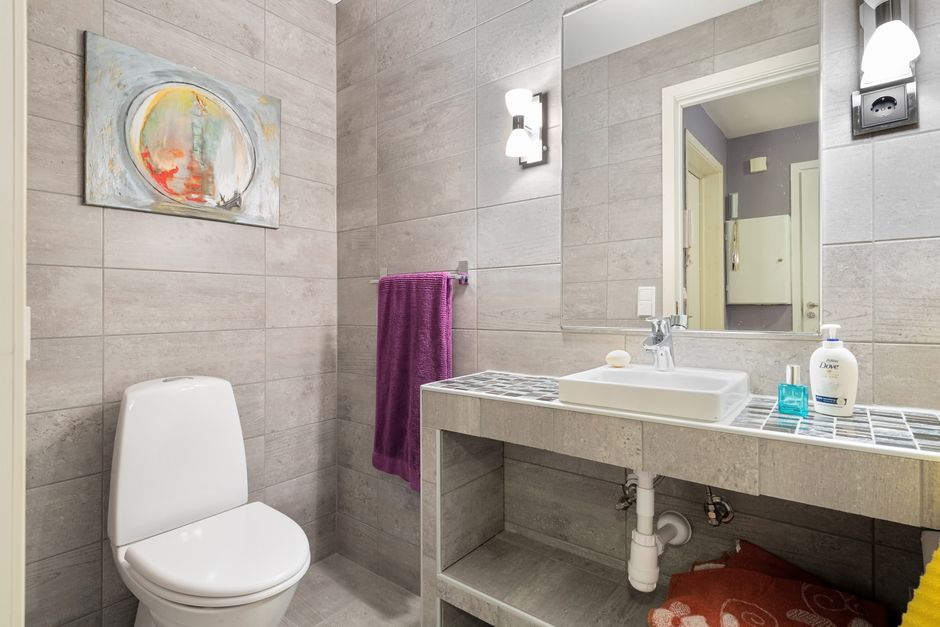
Adjustable mirror hardware generally includes:
- Pivot pins and locks Mounting brackets compatible with wall studs or drywall anchors Integrated stops or tension adjusters Optional finishes and decorative caps
High-end hardware often incorporates 360-degree rotation capability, soft-close mechanisms, or even motorized tilt functions in luxury applications. Such features command significant premiums.
Sizing and Placement: Sconce Spacing and Lighting Layout
Proper sizing and mirror placement ensure that fixed or adjustable mirrors work harmoniously with lighting. According to National Kitchen & Bath Association (NKBA) guidelines:
Mirror height typically spans from 40 to 42 inches from floor to the mirror center, matching average vanity heights of 32 to 36 inches plus backsplash and countertop thickness. Allow at least 2 to 3 inches between mirror edges and adjacent sconces to avoid crowding and light blockage. Mirror width generally should be equal to or slightly narrower than the vanity top to visually balance the space and accommodate wall-mounted sconces.Pivot or tilt mirrors need clearance for their swing or tilt movement. For example, a pivot mirror with a 30-degree rotation may require 3 to 5 inches of clearance on either side beyond its installed width.
Task Lighting vs Ambient Lighting: Better Together
Adjustable mirrors thrive in areas requiring precision task lighting but shouldn’t replace ambient lighting. The NKBA and lighting brands like Golden Lighting recommend layering lighting in bathroom spaces:

- Ambient Lighting: Overhead fixtures or recessed cans providing uniform illumination. Task Lighting: Wall sconces flanking mirrors or integrated LEDs delivering shadow-free light on the face. Accent Lighting: Optional under-cabinet or backlit mirror features for mood and style.
Choosing adjustable mirrors with built-in LED lighting simplifies wiring but calls for early electrician consultation to add dedicated feeds, switches, or dimmers as needed.
Installation: Glazier and Electrician Coordination
Installing pivot or tilt mirrors is not a DIY weekend project, especially if lighting integration is involved. A glazier specializing in custom plate glass cabinets and mirrors handles templating precise cuts ensuring https://smoothdecorator.com/is-a-frameless-mirror-really-the-cheapest-option-for-your-bathroom-remodel/ no unsealed edges—a common humidity failure point causing fogging or delamination.
Meanwhile, electricians tackle the hardwired LED mirrors or supplemental lighting feeds—especially where code requires grounded circuits and GFCI protection. Coordination is critical when planning embedded LED units or bathroom sconce height 60 to 66 inches extra controls such as motion sensors or demisters.
Summary: Setting Realistic Expectations for Pricing
Component Typical Cost Range Notes Basic Pivot Mirror $50 - $150 Simple glass and hardware, no lighting Basic Tilt Mirror $75 - $200 Typical hardware, minimalistic design Integrated LED Pivot/Tilt Mirror $200 - $600+ Includes lighting and electrical work Adjustable Hardware Upgrade $25 - $70 Better finishes, tension control Glazier Services $100 - $300 Templating, cutting, sealing Electrician Installation $100 - $400+ Wiring, switch installation, code complianceIn conclusion, a pivot mirror $50 to $150 price tag applies primarily to entry-level, no-frills products. For tilt mirrors, expect similar or slightly higher pricing due to hardware complexity. Once lighting and storage features emerge, combined with quality hardware and installation labor, costs escalate rapidly.
Keep in mind these key tips:
- Decide on lighting layout before finalizing mirror width to avoid crowding sconces. Hire a qualified glazier to prevent durability issues caused by humidity. Engage an electrician early when mirrors require hardwired LEDs or extra circuits.
By approaching mirror selection through the lens of function, lighting needs, and installation realities, homeowners and remodelers can find the perfect pivot or tilt mirror that balances price and performance without sacrificing style or longevity.