If you’ve been poking around for a home cooling or heating solution that’s approachable yet effective, you’ve probably stumbled across MRCOOL DIY. This brand’s promise of a truly easy install mini split has created quite the buzz in DIY home improvement circles. But what exactly is MRCOOL DIY? And why do you keep hearing about pre charged line sets when you read reviews or installation tips? Let’s unpack all that in a way that’s honest and practical, especially for homeowners ready to take on a hands-on project.
Getting to Know the MRCOOL DIY System
To start, MRCOOL DIY is a line of mini split heat pumps designed mini split square footage solutions specifically with the home do-it-yourselfer in mind. Unlike traditional HVAC systems that often require licensed HVAC technicians and complicated refrigerant charging, MRCOOL DIY is engineered to simplify the process without sacrificing performance.
This system is revolutionary in that it comes with a pre charged line set — an assembly of the copper refrigerant lines connecting the indoor air handler to the outdoor condenser, sealed and filled with the exact amount of refrigerant. Also known as “pre-charged refrigerant lines,” this feature essentially removes the need for refrigerant handling tools and specialized certification during installation.
Why Pre-Charged Line Sets Matter
In traditional split systems, installing the line set is one of the trickiest, most technical parts. It involves vacuuming the lines, weighing refrigerant, and carefully charging the system to avoid leaks or performance issues. The pre-charged line set from MRCOOL DIY means those steps are already taken care of at the factory.
- Pre-charged line sets come vacuum-sealed with refrigerant inside. They eliminate the need for refrigerant gauges and charging equipment during install. They reduce the risk of leaks or errors that might arise from inexperienced hands. They make the mini split truly plug-and-play compared to conventional installs.
If you’re concerned about legality or safety, MRCOOL DIY complies with industry standards and local regulations in many areas, but you’ll want to check with your local authorities and installers just to be sure.
The DIY Mini Split Cost Breakdown
One of the biggest appeals of the MRCOOL DIY system—and mini splits in general—is cost savings. While upfront costs vary by model and size, the typical range for a DIY mini split runs from about $1,000 to $3,500, before factoring in tools or any labor savings you realize by doing the work yourself.
Item Estimated Cost Notes MRCOOL DIY Mini Split Unit $1,000 - $3,000 Based on BTU rating and features Basic Installation Tools (drill, wrenches, etc.) $50 - $200 Assuming you don’t already own these Optional Extras (mounting brackets, sealants) $50 - $150 Varies, depending on complexityContrast that with hiring a pro, which can easily add $1,000 or more in labor costs. For many homeowners, this price difference combined with the satisfaction of learning a new skill is a powerful motivator.

Tools You’ll Need (And Why Planning Pays Off)
It goes without saying, but any DIY project lives or dies by the quality of your planning and your toolbox. With MRCOOL DIY, the good news is you won’t need specialized HVAC tools—just the basics:
- Drill: For mounting indoor and outdoor units to walls and brackets. Wrenches: To tighten line set connectors securely without over-torquing. Line set and refrigerant lines: Pre-charged and factory sealed, as discussed. Level and measuring tape: To ensure proper alignment and positioning. Sealant and insulation sleeves: To protect refrigerant lines and prevent energy loss.
Because the refrigerant is already in the line set, there’s no need to carry vacuum pumps, leak detectors, or charging manifold gauges. This simplification means you can focus on accurate measurements, secure mounting, and neat wiring—steps where DIYers often encounter bumps.
Keep in mind my unofficial mantra: measure twice, Go to this website re-check once more. No amount of pre-charged lines can save you if the units aren’t mounted level or the lines are bent too sharply. Taking your time in this phase builds the technical confidence that transforms a frustrating project into a rewarding one.
Personal Growth Through Hands-On Work
One thing I’ve learned over a dozen years in HVAC and home maintenance is that personal growth comes from action. Reading manuals or watching videos can only take you so far. At some point, the drill has to go into the wall and you have to screw in those mounting brackets yourself.
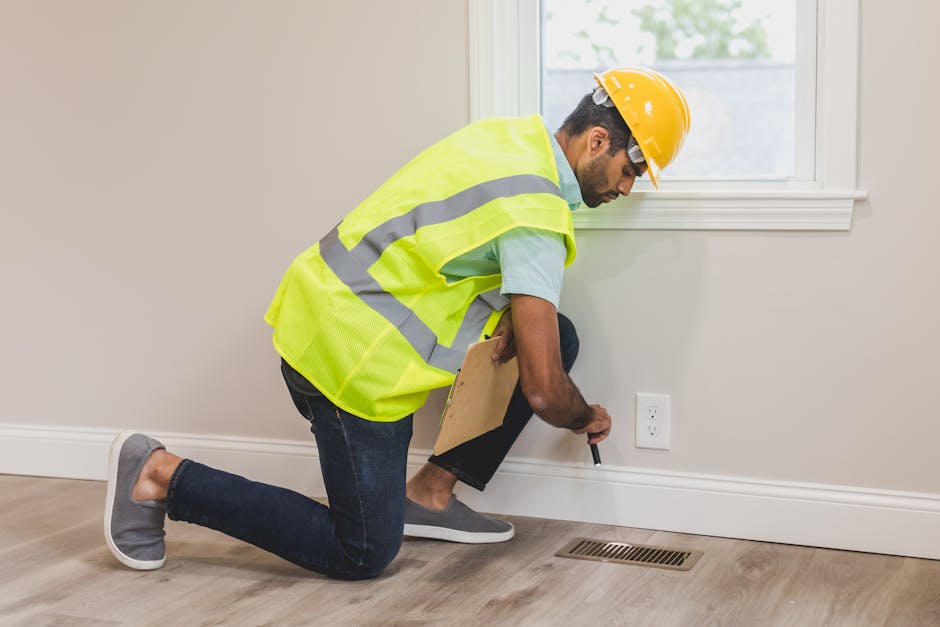
MRCOOL DIY systems are wonderful because they remove some of the usual guesswork—like handling refrigerant—without removing the need to learn practical skills about tools, measurement, and careful execution.
As someone who personally keeps a notepad next to the drill to jot down mistakes before repeating them, I can tell you that setbacks aren’t failures; they’re data points. So if your first attempt involves a stripped screw hole or a bent line, don’t sweat it—just make a note, adjust, and try again. Each challenge conquered builds your confidence and adds to your skillset.
Integrating Smart Home Features
To take your DIY mini split to the next level, MRCOOL DIY also offers models compatible with modern smart home tools like Zone-Air controllers and Amazon Alexa voice commands. This means after the install, you can manage your climate settings with simple voice commands or remotely from your phone, adding convenience to your energy savings.
These integrations are surprisingly easy to add and require minimal wiring or setup—another reason why meticulous planning during installation matters. Having your ductless system voice-controlled feels futuristic but is really just smart use of today’s tech tools paired with your willingness to learn.
The Bottom Line: Is MRCOOL DIY Right for You?
If you’re the sort who loves a good hands-on project, has basic mechanical aptitude, and wants to save on HVAC installation costs, MRCOOL DIY is a great option. The pre-charged line set system removes technical hurdles that normally put DIYers off from handling refrigerants—yet still delivers professional-grade results.
Use the project as an opportunity for personal growth; measure carefully, take notes on difficulties, and don’t let bumps slow you down. Plan well, gather your basic tools, and embrace the learning curve. You’ll end up with a cool home and a cooler skillset.
And if you want to explore more about zoning your heating and cooling or adding automation, companies like Zone-Air offer devices to extend your DIY system’s functionality.
Helpful Resources
- Zone-Air - Climate control accessories and upgrades Amazon - Tools for installation and smart home integration MRCOOL DIY official resources and user manuals (usually included with purchase)
Parting Advice
Remember: Every project is a balance of preparation, patience, and persistence. Whether it’s a mini split or any DIY home upgrade, confidence grows through action. And learning? It often means embracing the “setbacks” as stepping stones toward a successful, comfortable, and smarter home.