After eleven years in bathroom showrooms, I’ve seen it all: the good, the bad, and the frankly claustrophobic. If I had a dollar for every time a client told me their bathroom felt like a “glorified https://cleaneverycorner.com/how-to-bring-that-melbourne-hotel-vibe-home-a-no-nonsense-guide-to-bathroom-luxury/ cupboard,” I’d have retired to a beach house a long time ago. The truth is, most of us aren’t living in architectural digest spreads. We are working with the footprints we have, often in older homes where the bathroom was clearly an afterthought.
But here is the secret that showroom consultants love to keep to themselves: you don’t need to knock out a wall to change the way your bathroom feels. You need to change how it reflects. Specifically, you need to talk about the "big mirror" effect.
The Psychology of Space: Why Bigger Feels Better
There is a fundamental shift in our nervous system when we enter a room that feels "open." It’s not just about square footage; it’s about visual depth. When you install a large, expansive mirror, you are effectively doubling the visual information in the room. This does two things: it tricks the brain into perceiving twice the depth, and it bounces light into corners that were previously "dead zones."
In wellness-focused design, the bathroom is our transition zone—the space between sleep and the chaos of the day. If that space feels cramped and dark, your cortisol levels don’t get a chance to settle. A large reflective surface creates a sense of calm, order, and simplicity. It’s an exercise in minimalism; by clearing the visual clutter and replacing it with one singular, grand reflective plane, the room feels curated rather than crowded.
Reflective Surfaces as a Design Tool
When you browse high-end photography on sites like Shutterstock, you’ll notice that almost every "dream bathroom" features a mirror that feels slightly larger than necessary. It’s a deliberate choice. It creates an open bathroom feel that isn't dependent on actually adding floor space. It’s pure optical illusion, and it works every time.
Lighting: The Non-Negotiable Partner
Now, I’m going to stop you right there: a big mirror is only as good as the light hitting it. If you have a massive mirror but poor lighting, you’re just doubling the visibility of shadows under your eyes. I’ve spent years fixing lighting plans that were far too complicated. Let’s keep it simple. You need three layers:
- Ambient Lighting: Your general, soft glow that makes the room feel warm. This is your "getting ready in the dark at 5 AM" light. Task Lighting: This is what hits your face. This is where your mirror choice matters most. Accent Lighting: The little bit of personality—maybe a warm glow behind the mirror or a small wall sconce that highlights a feature tile.
If you aren't checking your colour temperature (Kelvin), you're wasting your money. Stick to the 3000K to 4000K range. Anything higher and you’re in a hospital operating theatre; anything lower and you’re brushing your teeth in a cave.
The "Small Changes" Rule
I keep a running list of "small changes that change the whole room," and at the very top is the transition from a standard, frame-heavy medicine cabinet to a sleek, wall-to-wall LED-integrated mirror. When you start exploring options on the LED Mirror World website, you’ll see exactly what I mean. These pieces are designed to integrate the light source into the glass itself, removing the need for clunky, shadow-casting overhead lights.
How to Choose Without the "Renovation Trap"
The worst advice I see in magazines is "just renovate." Renovating is expensive, messy, and stressful. Most of us just want our morning routine to feel a bit more luxurious. When you start researching for your own home, keep a clear head. Don't get caught up in marketing buzzwords like "synergistic design" or "bespoke luxury environments." Look for quality of glass, type of LED diffusion, and ease of installation.
If you’re looking for inspiration, regional publications like the organizing a shared family bathroom Bendigo Advertiser often feature local home profiles that show how real people—not just interior designers—tackle these space issues. You might hit a hurdle with a Bendigo Advertiser subscription/login flow while trying to read archives, but don't get discouraged. Often, the best ideas aren't in the paid editorials; they are in the reader-submitted photos or the "home and garden" classifieds where people show off their own DIY successes.
Comparative Lighting Guide
Lighting Type Purpose Where to place Ambient General comfort Ceiling (centralised) Task Grooming/Precision Eye-level (integrated into mirror) Accent Atmosphere Behind mirror or floor-levelA Reality Check on Pricing
I’ve looked at plenty of "best of" lists online where the pricing is omitted or, worse, just plain wrong. It’s annoying, isn't it? As a former consultant, my best advice is to use the LED Mirror World website as your baseline for *features* rather than just price points. Look for the dimensions, the lumen output, and the mounting style. When you have your measurements, you can compare apples with apples. Don't let a lack of price tags online force you into a "renovate now" panic. Take your time, measure twice, and buy once.
The Final Word on Your Daily Ritual
The reason we care so much about our bathrooms is that they are the only rooms in the house where we are truly alone. It’s where the mask comes off—literally and figuratively. Investing in a large, well-lit mirror isn't about vanity. It’s about creating a space that respects your time.
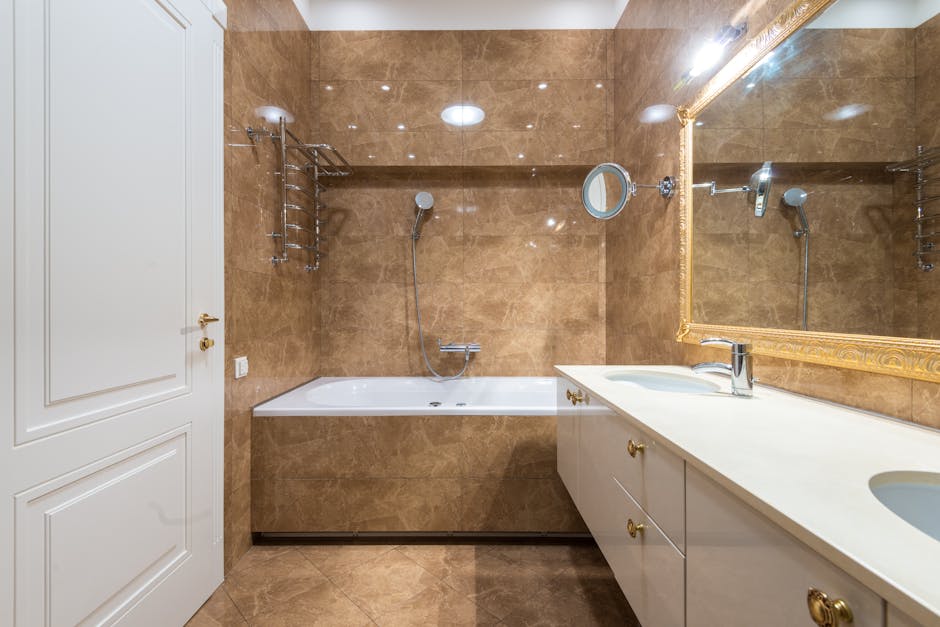
A big mirror opens the room, yes. It reflects light and adds depth, absolutely. But most importantly, it gives you a clear, calm space to start your day. That is the true psychology of luxury: not how much the vanity cost, but how much better you feel when you step out of the bathroom and into your life.
My Top 3 Tips for a Simple Upgrade:
Check your lighting temperature first. If your bulbs are buzzing or look yellow, swap them before you do anything else. Clear the vanity top. A large mirror won't fix a cluttered bench. Use the storage space you have to put the "everyday" items away. Measure from the tap upwards. Ensure your mirror placement allows for at least 15-20cm of clearance above the tap to prevent water splashing on the glass.Next time you’re standing in your bathroom feeling like you need a total overhaul, stop. Look at the mirror. Ask yourself if it’s working for you, or if it’s just taking up space. Sometimes, the biggest change you can make is the one that reflects everything else in a better light.